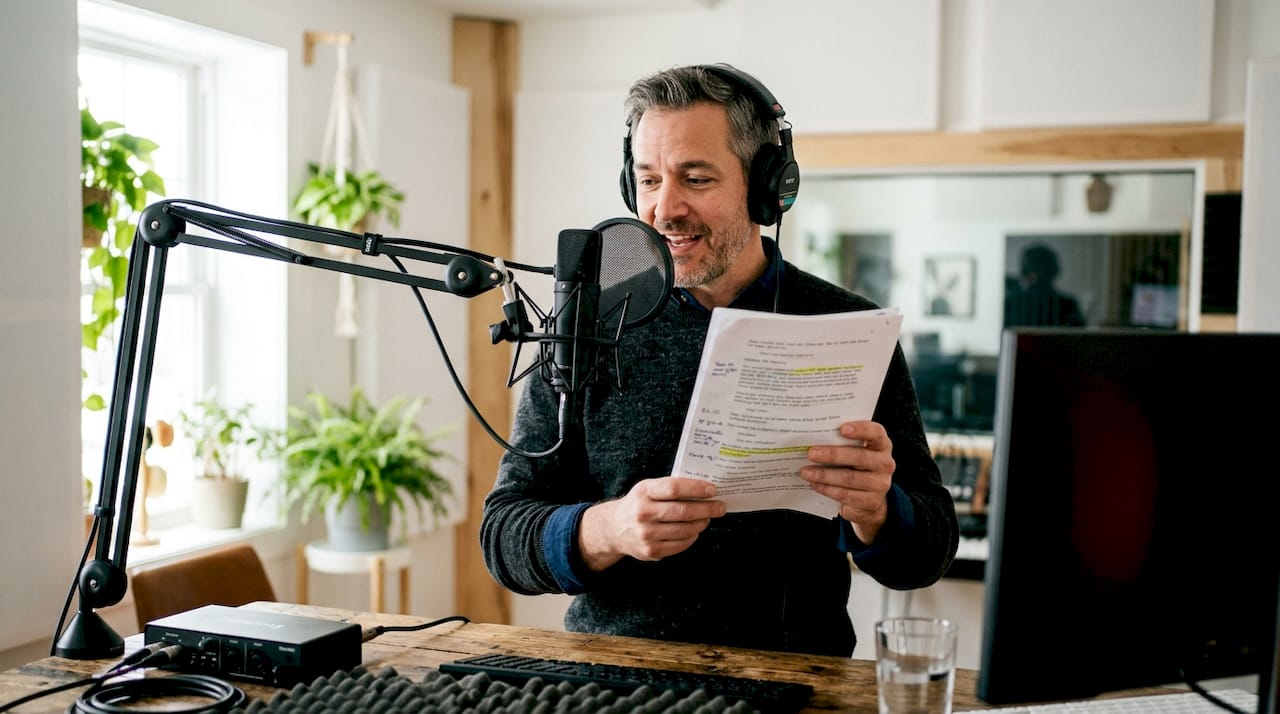
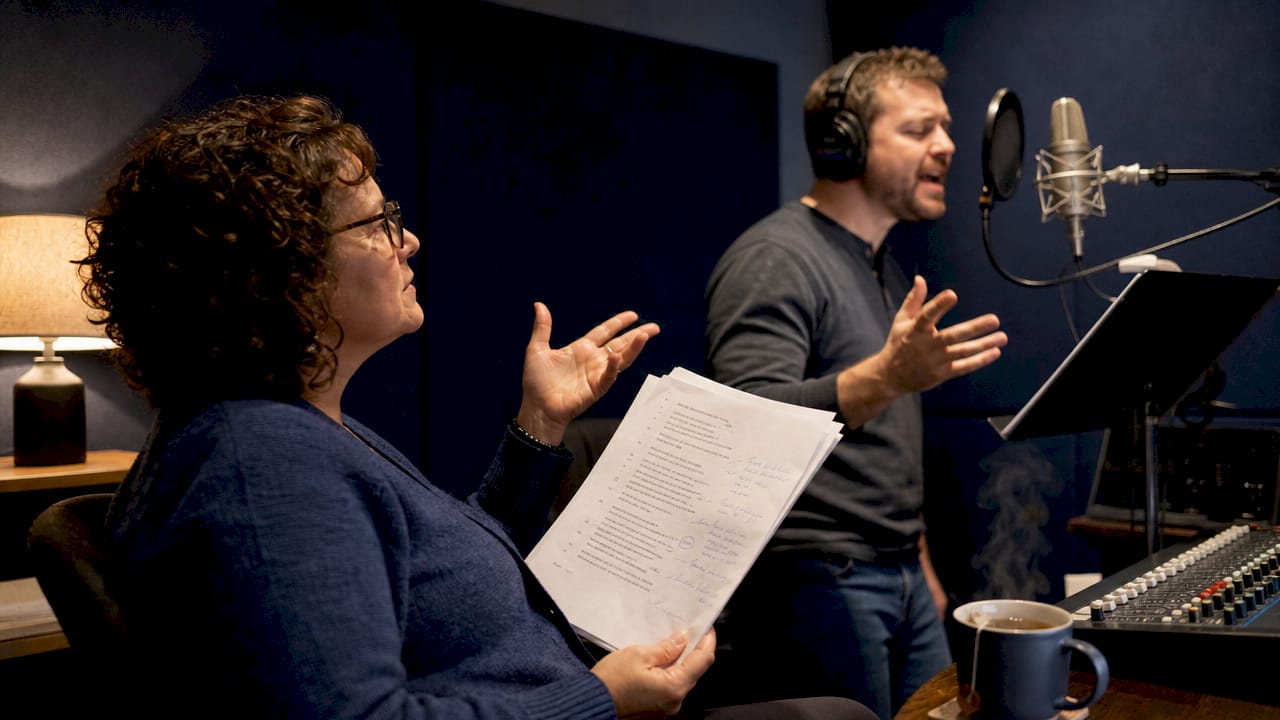
Voice over direction is defined as the strategic creative guidance given to a voice actor during a recording session to shape tone, pacing, emphasis, and emotional intent toward a project’s specific goals. It is the process that separates a technically clean read from a performance that actually moves an audience. Sessions typically involve a director communicating three to four emotional or technical anchors to the performer, ranging from 30 minutes to several hours depending on project scope. Whether you are a voice actor learning to receive notes or a producer learning how to direct voice actors, understanding this process is the foundation of every great voice over production.
What is voice over direction and why does it matter?
Voice over direction is the craft of translating a script’s intent into a living, breathing vocal performance. Without it, even a skilled voice actor is guessing at what the project needs. The director acts as the objective listener who balances technical execution with emotional truth, shaping the final delivery to connect with the intended audience.
The importance of voice over direction becomes clear when you compare two reads of the same line. One actor delivers it flat and on tempo. Another delivers it with a slight pause before the key word, a warmer tone, and a natural drop at the end. The second read feels real. That difference comes from direction, not talent alone.

Direction also protects brand consistency. Vocal tone and delivery style must align with a brand’s identity across every campaign touchpoint. A mismatch between the script’s message and the actor’s delivery erodes audience trust faster than a weak script ever could.
How does voice over direction influence performance quality?
Effective direction shapes four core elements of a voice performance: tone, pacing, emphasis, and emotional alignment.
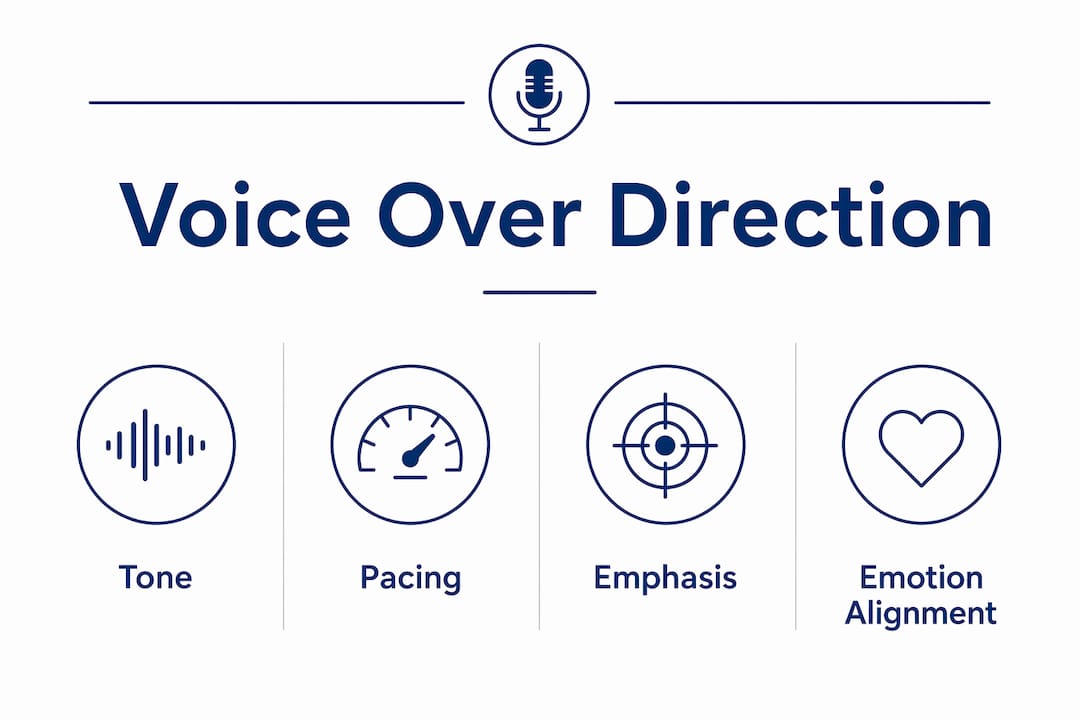
Tone sets the emotional register. A director who tells an actor “sound warm but authoritative” gives them a target. A director who says “just read it naturally” gives them nothing to aim at.
Pacing controls listener engagement. Rushed delivery loses nuance. Slow pacing signals uncertainty and reduces perceived quality. Consistent pacing and professional workflow are two of the primary factors casting directors use to evaluate a voice over performance.
Emphasis tells the audience what matters. Shifting stress from one word to another in the same sentence can completely change the meaning. A director who marks emphasis points in the script before the session saves time and gets better takes.
Emotional alignment is where direction becomes interpretation. The goal is not just a technically sound read. Effective voice direction ensures the performance is emotionally aligned with the brand message and the audience’s expectations. That alignment is what makes a listener feel something rather than simply hear something.
- A commercial for a children’s hospital needs warmth and hope, not clinical authority.
- A political ad needs conviction and clarity, not casual friendliness.
- A documentary narration needs credibility and measured pace, not urgency.
- A gaming character needs energy and specificity, not generic enthusiasm.
Pro Tip: Before the session starts, write down three words that describe the emotional world of the project. Share those words with the actor as your opening direction. It sets the tone faster than any script note.
What are best practices for giving effective voice over direction?
Clear direction before the first take saves more time than any correction after it. The best directors prepare a short creative brief that covers tone, audience, and the one emotional truth the listener should feel by the end. That brief takes ten minutes to write and eliminates half the re-takes.
- Set the scene before the read. Tell the actor who they are talking to, what the listener should feel, and what action the script is designed to prompt. A great voice read depends on understanding audience, intent, turning points, and key phrasing. Give the actor that context upfront.
- Use specific, sensory language. “Sound like you’re telling a friend good news” is more useful than “sound excited.” Concrete images give actors something to play.
- Give one note at a time. Stacking three corrections into one sentence forces the actor to prioritize your notes instead of performing. Deliver one clear adjustment, then listen to the result.
- Stay open to the actor’s instincts. Allowing talent to suggest alternatives often produces better, more spontaneous reads. The best take sometimes comes from a direction you did not plan.
- Protect session flow. Long pauses between takes break concentration. Keep notes short, keep energy up, and move through the script at a pace that keeps the actor in the zone.
The most common pitfall in voice direction is vague feedback. “Make it more natural” tells the actor nothing. “Drop the volume slightly on the last phrase and let it trail off” tells them exactly what to adjust. Specificity is the director’s most useful tool.
Pro Tip: Record a reference read yourself before the session, even if your voice is not right for the project. Hearing the line out loud reveals pacing problems and emphasis gaps that reading the script silently never will.
How do voice actors interpret and respond to direction?
A voice actor’s job during a directed session is to receive information quickly, process it, and execute it without losing the performance. That requires a specific mental discipline that goes beyond vocal skill.
The most effective actors treat direction as a gift, not a correction. When a director says “pull back the energy,” the actor who hears “I was wrong” will tighten up. The actor who hears “here is the next layer of the performance” will open up. That mindset shift is the difference between a session that produces ten usable takes and one that produces two.
- Analyze direction against the script. Before adjusting, connect the note to a specific word, phrase, or moment in the copy. Direction without a script anchor is hard to execute consistently.
- Ask one clarifying question if needed. “Do you want that warmer throughout, or just on the last line?” is a fast, professional question. It shows you are listening and saves a wasted take.
- Make the adjustment, then commit. Half-hearted adjustments produce half-hearted takes. Execute the note fully, even if it feels exaggerated in the booth. Microphones compress performance; what feels like too much often sounds just right on playback.
- Track what works. If a take lands well, mentally note what you did differently. Repeatable technique is what separates a one-take wonder from a reliable professional.
Understanding who you are talking to, what you want the listener to do, and the emotional truth of the script are the three questions every actor should answer before the first take. Direction fills in the gaps that script analysis leaves open.
What role does voice over direction play across different media formats?
Voice over direction is not one-size-fits-all. The approach that works for a 30-second commercial will fail in an animated feature. Each format has its own demands, and a skilled director adjusts their method accordingly.
Voice over direction varies significantly by media format. Commercials demand tight pacing and immediate emotional impact. Animation relies on emotional beats, character consistency, and lip sync timing, with recording during the animatic phase giving directors the best chance to integrate performance with visuals. Narration requires a sustained, credible tone over long stretches. Gaming demands high energy, character specificity, and the ability to record hundreds of short lines without losing consistency.
| Format | Primary direction focus | Key challenge |
|---|---|---|
| Commercial | Tight pacing, brand tone | Delivering impact in 15–30 seconds |
| Animation | Emotional beats, lip sync | Consistency across long recording schedules |
| Documentary narration | Credibility, measured pace | Sustaining engagement over long-form content |
| Gaming | Energy, character specificity | Consistency across hundreds of short takes |
| Broadcast/political | Clarity, conviction | Balancing authority with approachability |
Remote direction has become a standard part of voice over production. Live remote direction sessions require distinct protocols from in-studio work, including clear audio monitoring, agreed-upon signal systems for stopping and restarting, and a shared script with marked direction notes. The technology works well when both parties prepare for it. When they do not, remote sessions cost more time than they save.
Key Takeaways
Voice over direction is the single most controllable variable in the gap between a competent read and a performance that serves the project’s goals.
| Point | Details |
|---|---|
| Direction shapes four core elements | Tone, pacing, emphasis, and emotional alignment determine whether a read connects with its audience. |
| Specificity beats vague notes | Concrete, sensory direction language produces faster, better results than general feedback like “be more natural.” |
| Collaboration improves authenticity | Allowing actors to suggest alternatives often produces more spontaneous, believable performances. |
| Format changes the approach | Commercials, animation, narration, and gaming each require a distinct directing method and priority focus. |
| Remote direction needs preparation | Live remote sessions require clear protocols and shared script notes to match the efficiency of in-studio work. |
What I’ve learned from being on both sides of the mic
The most underrated skill in voice over direction is knowing when to stop talking. Early in my experience working on voice projects, I made the same mistake most new directors make: I over-explained. I gave the actor three notes when one would have done the job. The result was a performer who was thinking about my notes instead of performing.
The sessions that produce the best work are the ones where the director sets a clear creative world at the start and then gets out of the way. You give the actor the emotional truth of the scene, you mark the two or three moments that matter most, and then you let them find it. Authentic voice over performance does not come from following instructions perfectly. It comes from a performer who understands the goal well enough to make real choices inside it.
The other thing I have come to believe strongly: preparation is the director’s primary job. An actor who walks into a session with a clear brief, a marked script, and a director who has already listened to the copy out loud will outperform the same actor in an unprepared session every time. The performance lives or dies in the ten minutes before the first take.
— kribi
How Gregeschmeyervoice can support your next voice over project
Gregeschmeyervoice is built on the principle that the best voice over work comes from genuine human connection, not processed delivery or generic reads. Greg Eschmeyer brings a grounded, conversational style to every project, from commercials and political messaging to documentaries and broadcast work.
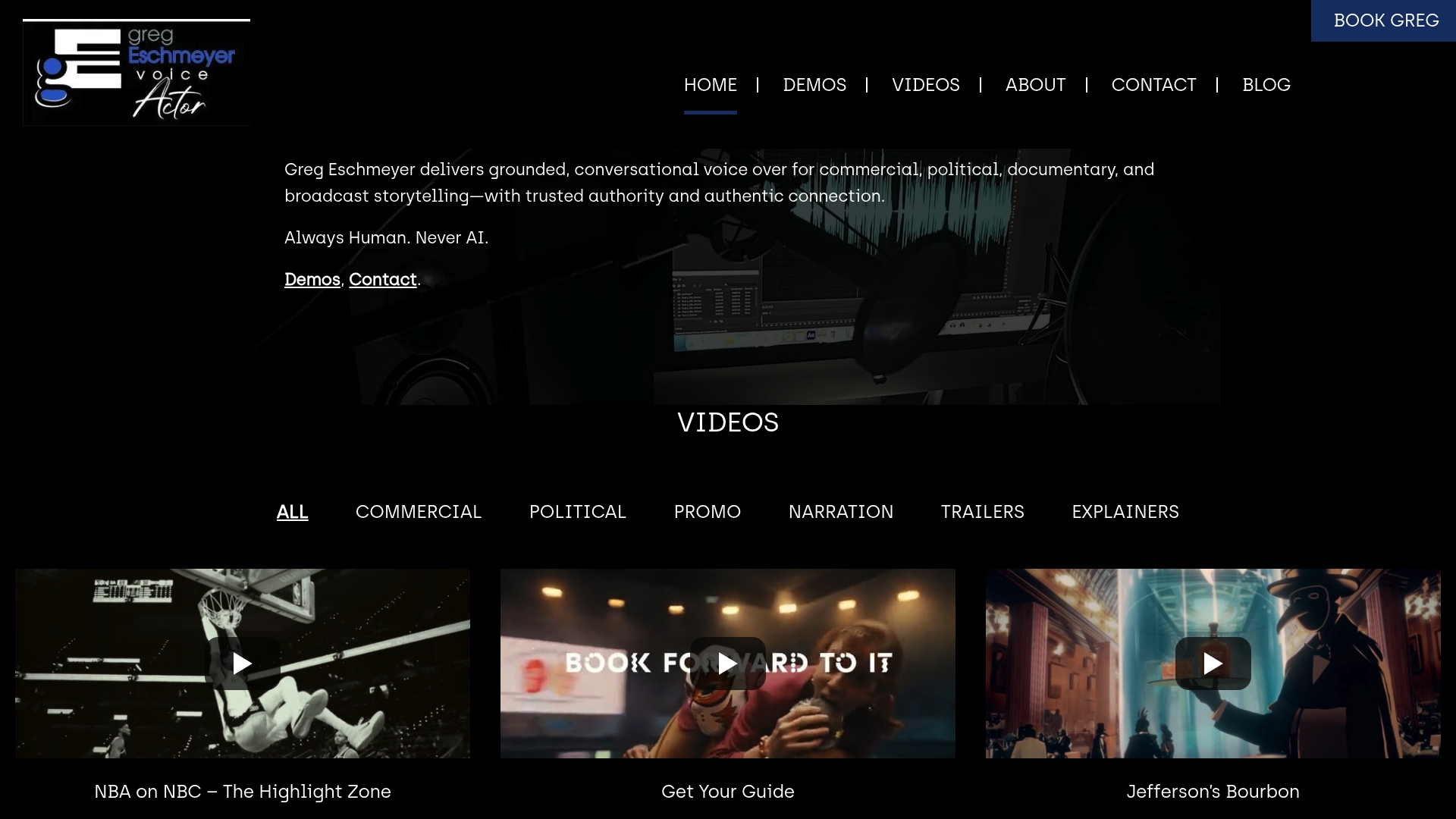
If you are a producer or director looking for a voice actor who responds well to direction and delivers consistent, authentic performances, explore Greg’s professional voice services at Gregeschmeyervoice. You can also review commercial voice performance types to find the right fit for your project format. Gregeschmeyervoice offers fast turnaround, clear communication, and the kind of performance that holds up across every listen.
FAQ
What is voice over direction in simple terms?
Voice over direction is the process of guiding a voice actor during a recording session to deliver the right tone, pace, and emotion for a project. The director communicates specific creative notes so the performance matches the project’s goals.
How does a director communicate direction to a voice actor?
Directors use specific, sensory language to describe tone and emotion, mark emphasis points in the script, and give one clear note at a time. Effective direction focuses on emotional intent and audience connection, not just technical execution.
What makes voice over direction effective vs. ineffective?
Effective direction is specific, brief, and tied to a moment in the script. Ineffective direction is vague, stacked with multiple notes at once, or focused on what the actor did wrong rather than what the next take should achieve.
Does voice over direction differ for remote sessions?
Yes. Remote direction sessions require agreed-upon protocols for stopping, restarting, and monitoring audio quality. Shared, pre-marked scripts and clear communication systems make remote sessions as productive as in-studio work.
Why do voice actors need direction if they are already skilled?
Even experienced voice actors benefit from direction because they cannot hear the project from the audience’s perspective. The director serves as the objective listener who aligns the performance with the brand, the audience, and the creative vision of the project.