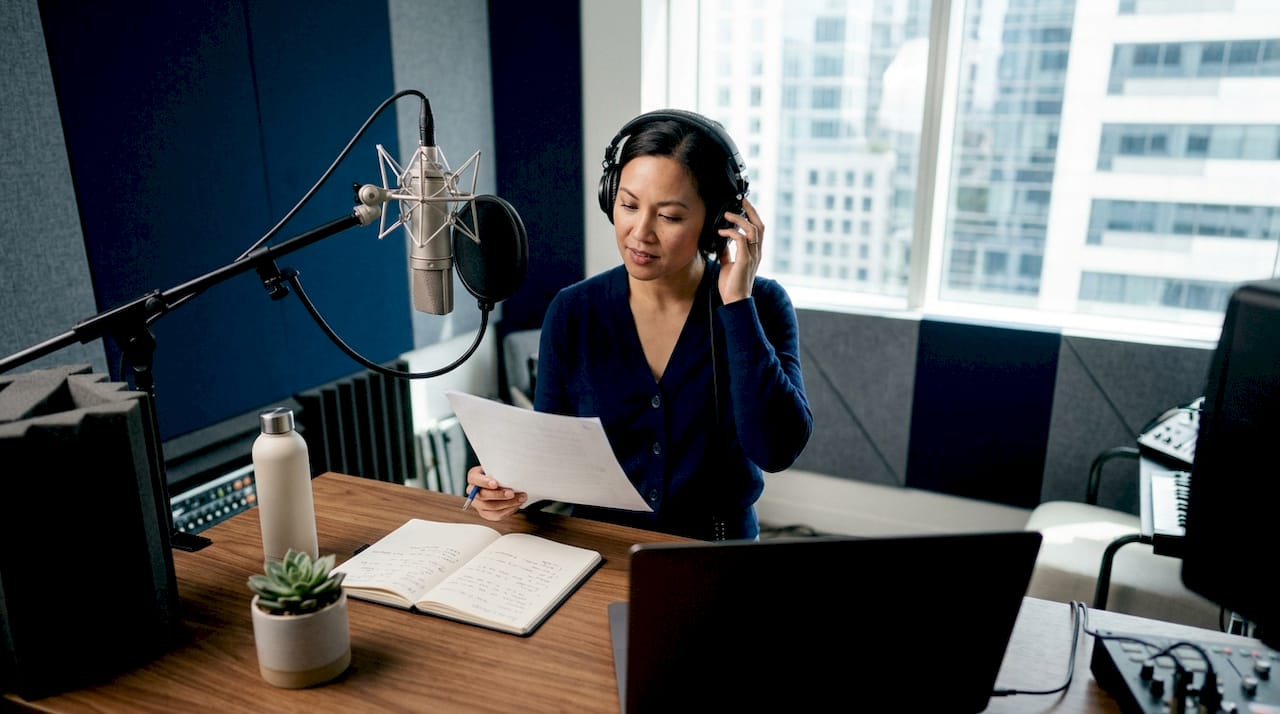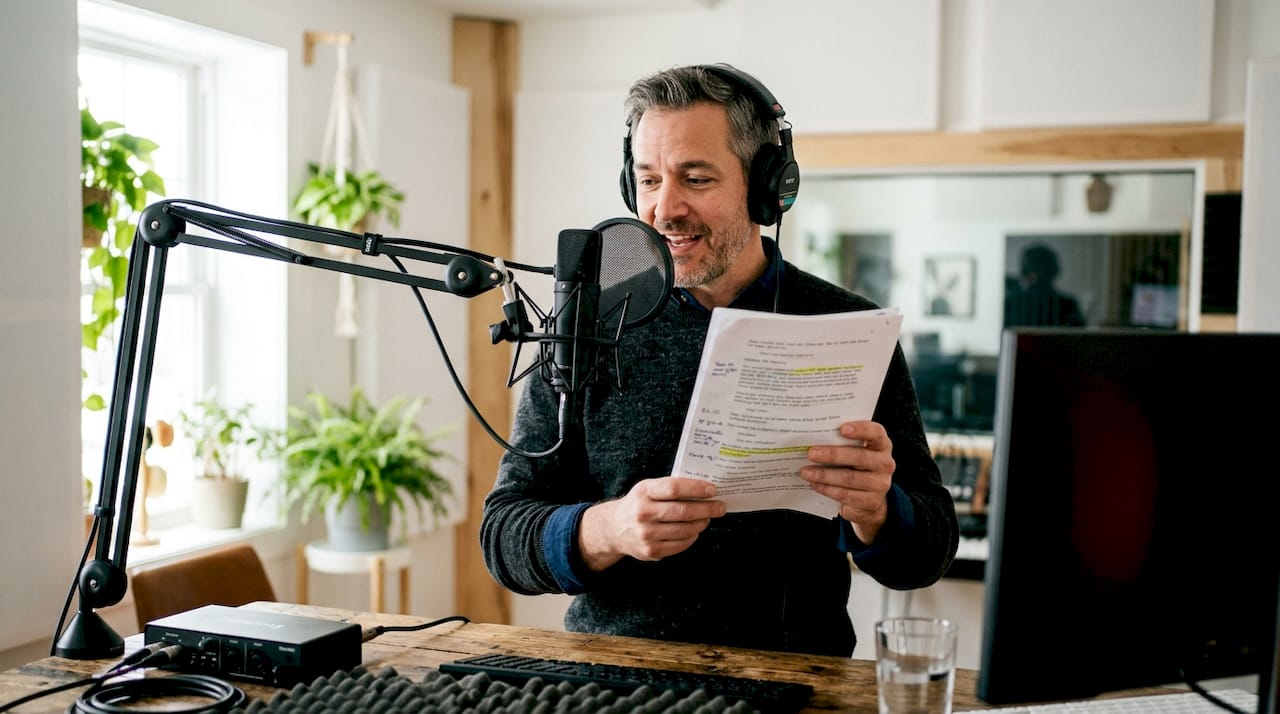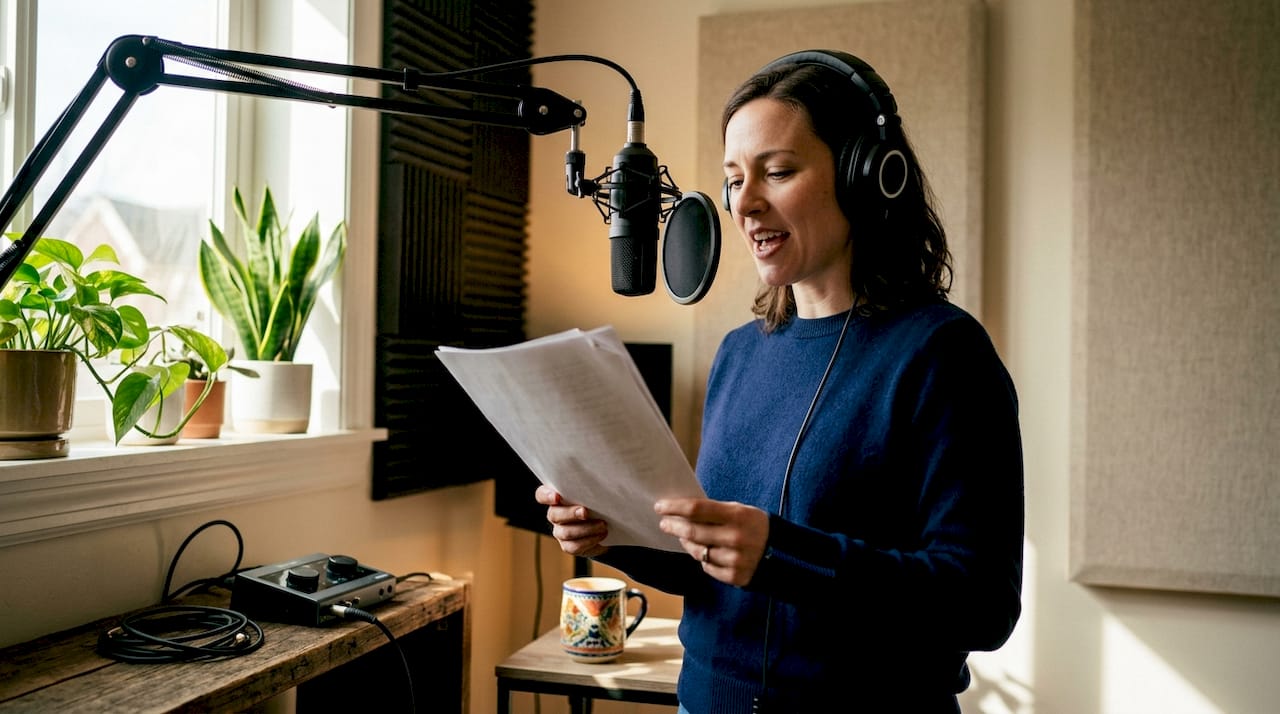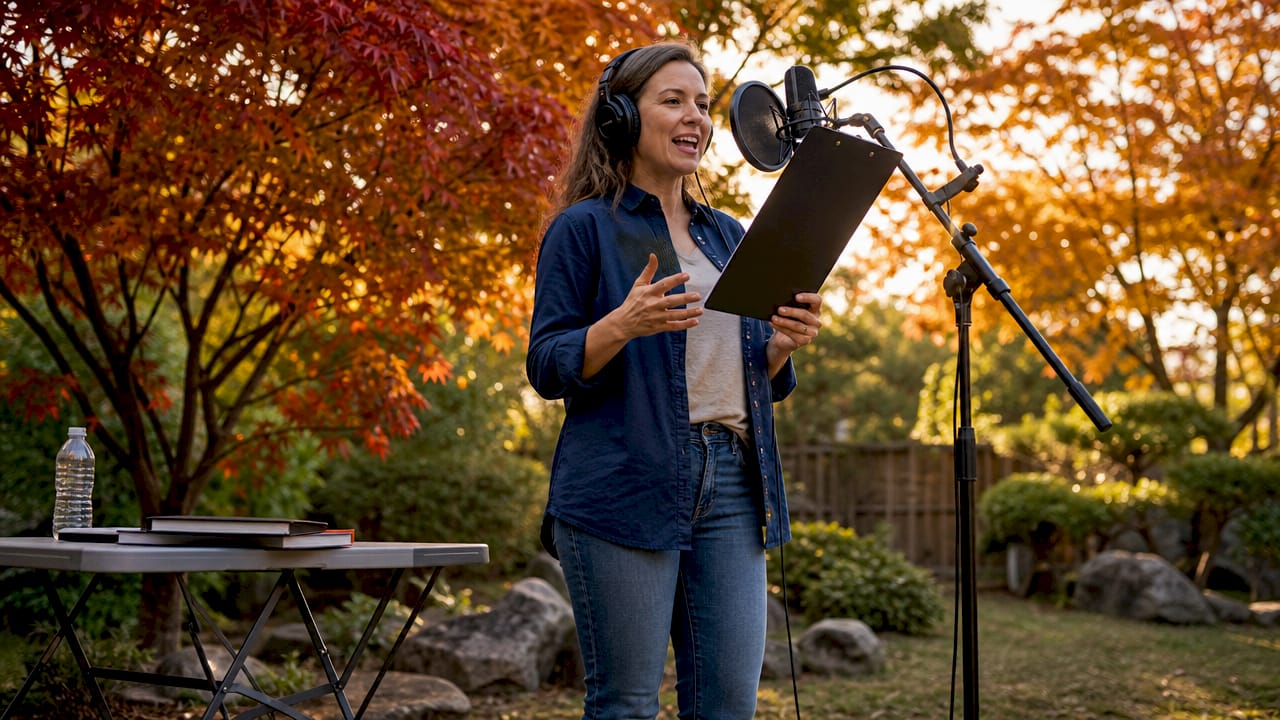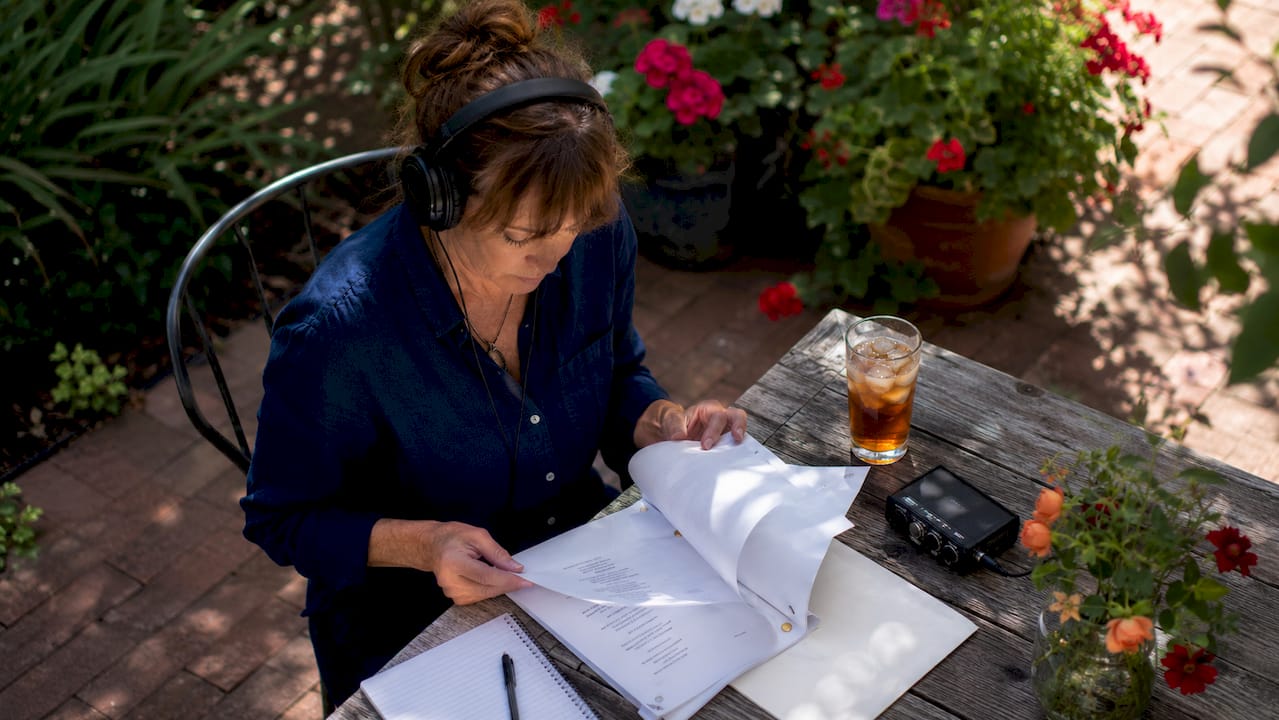
Auditioning narrators for documentary projects is the process of identifying voice talent who can deliver grounded, paced, and emotionally calibrated narration that serves the film’s visuals and story. The narrator you choose shapes how audiences receive your subject matter. A wrong voice creates distance. The right one builds trust from the first sentence. This article covers the exact criteria, submission standards, and evaluation methods you need to cast a narrator who makes your documentary land.
What qualities matter when auditioning documentary narrators?
The single most important quality in a documentary narrator is trusted authority. That means the narrator sounds grounded and at home in the subject matter without overdramatizing it. Think of the David Attenborough model: knowledge and warmth delivered with restraint, inviting curiosity rather than manufacturing emotion. That quality cannot be faked in an audition, which is exactly why auditions matter.

Pacing and pause control are the second filter. Narrators who rush or pause unnaturally fight the edit rather than support it. Well-trained narrators create intentional flow that complements images. When you listen to an audition tape, notice whether the narrator’s breath placement feels organic or mechanical. A forced pause before every key word signals a performer reading for effect rather than telling a story.
Emotional range within a narrow band is another marker of documentary-specific skill. A narrator for a nature film needs a different register than one for a true crime series or a corporate history piece. The best candidates adapt their tone to genre without losing their core voice. Listen for whether the narrator sounds like themselves or like a generic “announcer.”
Here is what to listen for specifically during voice over auditions:
- Does the delivery feel conversational or performed?
- Are breath placements natural and unobtrusive?
- Does the narrator leave space for imagery to land?
- Is the emotional tone appropriate for the subject matter?
- Does the voice carry authority without condescension?
Pro Tip: Request two takes of the same script side: one cold read and one lightly prepared. The gap between them tells you more about a narrator’s instincts than a polished demo reel ever will.
How to prepare and organize an effective audition process
A disorganized audition process produces unusable submissions and wastes everyone’s time. Start by preparing specific script sides drawn from your actual documentary. Generic sides produce generic reads. Pull 60 to 90 seconds of material that represents the tonal range of your project, including a factual passage, an emotional beat, and a transitional moment.
Follow these steps to structure the process from the start:
- Write clear submission instructions. Specify file format, length, and whether you want audio only or video. Ambiguity produces a flood of incompatible files.
- Set a firm deadline. Casting calls for narrator roles routinely specify self-tape submission deadlines to keep production timelines intact.
- Specify recording environment. Require a quiet location with no background noise, air conditioning hum, or room echo. Casting sides for film projects commonly specify quiet locations and horizontal filming when video is requested.
- Request multiple takes. Ask for at least two reads: one straight interpretation and one with a different emotional emphasis. This reveals range.
- Confirm technical specs upfront. State the required sample rate, file format, and loudness target before submissions open. Rejecting files after the fact delays your project.
The table below compares the two most common submission formats for narrator auditions:
| Submission method | Best for | Drawbacks |
|---|---|---|
| Self-tape audio only | Remote talent, fast turnaround | No visual context for on-camera roles |
| Self-tape video | On-camera narration or presenter roles | Larger files, more variables to evaluate |
| Studio-recorded audition | High-budget productions | Higher cost, limits talent pool geographically |
Pro Tip: If your documentary includes on-camera narration, ask for horizontal smartphone video filmed in a quiet room. This mirrors the Revolutionary Hampton casting approach and gives you a realistic preview of presence and delivery together.
What technical standards should narrator submissions meet?
Poor audio quality in an audition submission is a disqualifying signal, not a minor inconvenience. It tells you the narrator either lacks proper equipment or does not understand broadcast standards. Neither is acceptable for a documentary production.
Broadcast-quality audio for documentary narration auditions must meet specific benchmarks. ACX audio standards require a sample rate of 44,100 Hz, mono format, MP3 at 192 kbps CBR, RMS loudness between -23 and -18 dBFS, true peak below -3 dBFS, and a noise floor below -60 dBFS. Files that fall outside these specs are rejected outright. These same standards apply directly to documentary narration work.
The most common technical rejection reasons include:
- Background noise above the -60 dBFS noise floor threshold
- Clipping or distortion from recording too close to the microphone
- Inconsistent room tone between sentences
- Incorrect file format or bit rate
- Missing head and tail silence padding
If you are requesting video submissions, specify 1080p minimum resolution, horizontal orientation, and a plain or neutral background. Poor lighting and vertical phone video signal a lack of professional awareness.
Pro Tip: Direct auditioners to the DIY spec voice over guide at Gregeschmeyervoice for a practical breakdown of how to record broadcast-quality audio without a professional studio. Sharing this resource upfront raises the quality floor of every submission you receive.
How do you evaluate audition tapes to find the right narrator?
Evaluation is where most filmmakers make their biggest mistake. They listen to audition tapes in isolation, away from the actual footage. The narrator’s voice must work with your visuals, not just sound good on its own. Play each submission against a rough cut or even a static image sequence from your documentary before making any judgment.

Cold reads reveal narrator interpretation and pacing instincts in ways that polished demos cannot. A narrator who interprets your script accurately on a cold read understands storytelling structure. One who misreads emphasis or rushes through complex sentences will require heavy direction in the studio, which costs time and money.
Use a scoring table to compare candidates objectively across the same criteria:
| Evaluation criterion | What to listen for | Score (1 to 5) |
|---|---|---|
| Authenticity and authority | Grounded delivery, no announcer affect | 1 to 5 |
| Pacing and breath control | Natural pauses, no rushed passages | 1 to 5 |
| Emotional appropriateness | Tone matches genre and subject matter | 1 to 5 |
| Technical audio quality | Clean recording, correct loudness | 1 to 5 |
| Cold read accuracy | Correct emphasis, natural interpretation | 1 to 5 |
Versatility within a narrow range is the final test. A strong documentary narrator does not need to do character voices or dramatic swings. They need to sustain a consistent, trustworthy presence across 30 to 90 minutes of material. Ask yourself: could you listen to this voice for the full runtime of your film without fatigue or distraction?
Collaboration between producers and narrators during the recording phase significantly improves emotional authenticity. The audition is your first test of whether a narrator responds well to direction. Give one piece of specific feedback during the audition process and observe how they incorporate it.
Common mistakes when casting narrators for documentary projects
The most expensive mistake in narrator casting is choosing a voice that sounds impressive in isolation but disconnects from the visuals in context. A resonant, theatrical voice can overwhelm quiet footage. A soft, intimate voice can disappear under a full orchestral score. Match the voice to the film’s sonic environment, not just its subject matter.
Watch for these specific pitfalls:
- Over-performance. Narrators who push emotion on every sentence exhaust the audience. Documentary narration requires restraint.
- Ignoring pacing relative to visuals. Narrators must leave space for imagery to breathe. A narrator who fills every second of silence fights your edit.
- Accepting poor-quality submissions. Low audio quality in an audition predicts low audio quality in the final recording. Do not assume it will improve.
- Skipping the cold read. Demo reels are curated. Cold reads are honest.
- Failing to give clear direction. Vague feedback produces vague results. Tell narrators specifically what you need from a second take.
Pro Tip: Read more about off-camera narration technique before your audition sessions. Understanding the craft from the narrator’s perspective makes you a sharper evaluator and a more effective director.
Key takeaways
Casting the right documentary narrator requires evaluating authentic authority, technical submission quality, and storytelling instinct together, not as separate criteria.
| Point | Details |
|---|---|
| Prioritize trusted authority | Narrators must sound grounded and credible, not theatrical or performed. |
| Use cold reads, not just demos | A 60 to 90 second cold read reveals interpretation and pacing instincts that polished reels hide. |
| Set technical standards upfront | Require ACX-level audio specs before submissions open to eliminate unusable files. |
| Evaluate against your footage | Play audition tapes against actual visuals before scoring any candidate. |
| Give specific direction | Test how narrators respond to feedback during the audition to predict studio performance. |
What I have learned from watching narrator auditions go wrong
The most revealing moment in any narrator audition is not the first sentence. It is the third paragraph, when the narrator stops performing and starts reading. That is where you hear the real voice. Most filmmakers stop listening too early, drawn in by a strong opening that masks a flat middle.
The difference between a narrator who reads a script and one who embodies a story is not talent alone. It is preparation and genuine curiosity about the subject. When I evaluate audition submissions, the narrators who ask questions about the documentary before recording always deliver more nuanced reads. They are not just filling time with words. They are building a relationship with the material.
I have also seen productions spend weeks searching for a “perfect” voice when the real problem was an unclear brief. If your audition sides do not reflect the actual tone of your film, you will attract the wrong candidates and reject the right ones. Specificity in your casting call is the single highest-leverage investment you can make before auditions open.
The voice talent roles and skills that documentary narration demands are distinct from commercial or corporate work. Recognizing that distinction early saves you from casting a technically skilled voice actor who has never told a long-form story.
— kribi
Find the right narrator for your documentary with Gregeschmeyervoice

Gregeschmeyervoice specializes in the grounded, conversational delivery that documentary storytelling demands. Greg Eschmeyer’s narration style is built on authenticity and genuine human connection, the exact qualities that separate a memorable documentary from a forgettable one. Whether you are producing a 30-minute educational piece or a feature-length film, Gregeschmeyervoice offers professional documentary narration services with fast turnaround and the kind of collaborative approach that makes the recording process straightforward. Clients consistently highlight Greg’s ability to match specific project tone without requiring extensive direction. If you are ready to move from auditions to production, Gregeschmeyervoice is a trusted starting point.
FAQ
What is the best way to audition narrators for a documentary?
Request a 60 to 90 second cold read from your actual script alongside a lightly prepared take. Evaluate both against your footage, not in isolation.
How do I know if a narrator’s audio quality is good enough?
Submissions should meet broadcast standards: RMS loudness between -23 and -18 dBFS, noise floor below -60 dBFS, and a sample rate of 44,100 Hz. Files that miss these benchmarks signal a lack of professional readiness.
What is the difference between a demo reel and a cold read audition?
A demo reel is curated and edited to show a narrator’s best work. A cold read is an unpolished, first-pass interpretation of your specific material, which reveals how the narrator actually processes and delivers new content.
How many takes should I request in a narrator audition?
Request at least two takes: one straight interpretation and one with a different emotional emphasis. The variation between takes shows range and responsiveness to direction.
What makes documentary narration different from commercial voiceover?
Documentary narration requires sustained authority and emotional restraint across long-form content. Commercial voiceover prioritizes impact in short bursts. Experienced documentary narrators instinctively leave space for visuals in ways that general voiceover work rarely demands.