
A voice over brief is a structured document that defines the tone, purpose, audience, and delivery context for a voice over project, giving both creators and voice talent a shared direction before recording begins. Understanding what does voice over brief mean is the first step toward producing audio that lands with the right emotional impact. Without this document, even the most skilled voice actor is guessing. The brief is the industry standard starting point for any professional voice over project, from a 30-second commercial to a full e-learning course.
What does a voice over brief mean in practice?
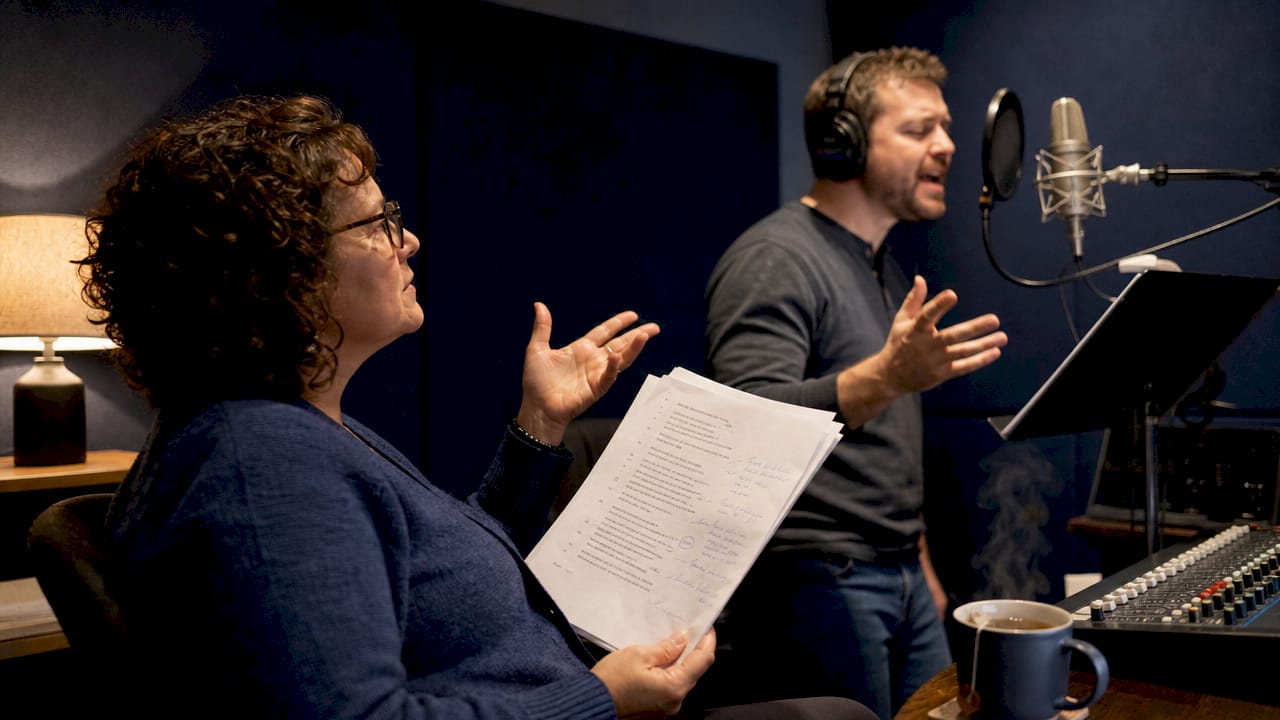
A voice over brief is the foundational set of instructions that tells a voice actor exactly what a project needs and why. Voice over itself is prerecorded spoken audio layered over media, guiding or narrating without the speaker being visible. That invisibility is exactly why the brief matters so much. The talent cannot read the room, watch the director’s face, or feel the energy of a live set. The brief replaces all of that context in written form.
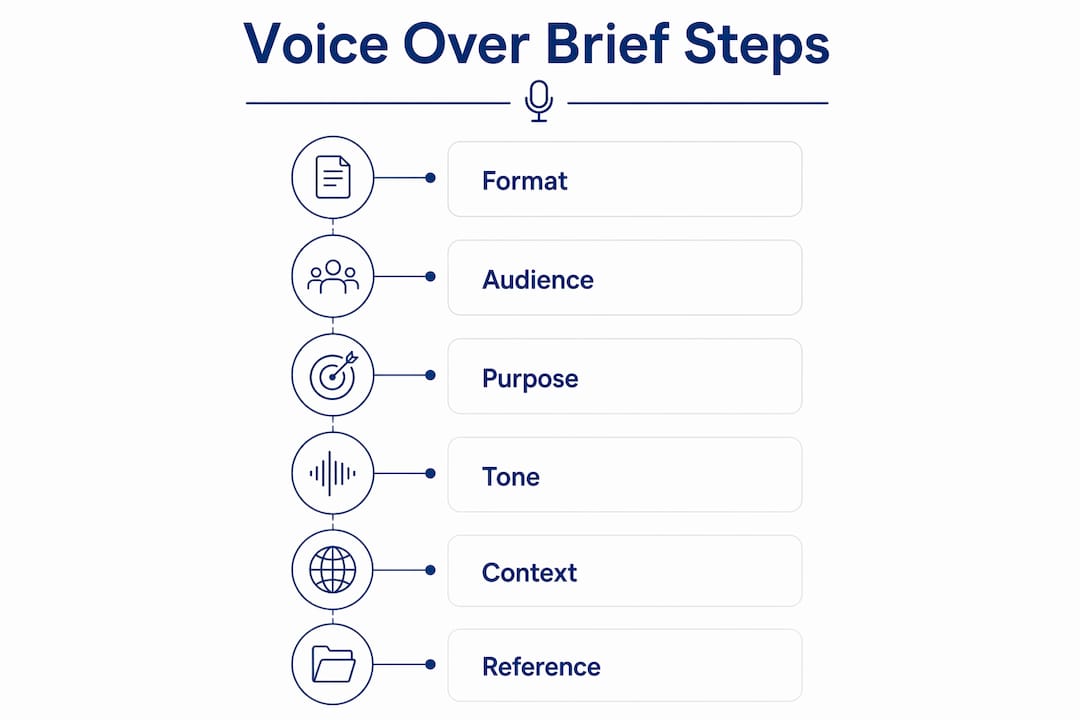
A strong brief answers six core questions: What is the format? Who is the audience? What is the voice’s purpose? What tone fits? What should the talent avoid? What is the surrounding context, including visuals and music? Answering all six gives the talent everything needed to make confident creative choices without back-and-forth emails.

What are the essential components of a voice over brief?
Effective voice over project guidelines cover more ground than most creators expect. A brief is not just a script with a note that says “sound friendly.” It is a complete picture of the project’s world.
The key elements of a voice over brief include:
- Project type and format. Specify whether this is a TV commercial, e-learning module, explainer video, internal training, podcast ad, or broadcast documentary. Each format carries different pacing, energy, and listener expectations.
- Target audience. Describe who will hear this audio. Age range, professional background, and emotional state all shape how a voice should sound. A brief for a financial services ad targeting retirees calls for a very different voice than one targeting college graduates.
- Intended emotional effect. State the feeling you want the listener to walk away with. Confident. Reassured. Excited. Curious. Vague descriptions like “professional” leave too much room for misinterpretation.
- Tone and style. Use illustrative adjectives and real-world comparisons. “Think NPR host, not game show announcer” communicates more than “warm and authoritative” alone.
- Contextual environment. Note whether the voice will sit over music, sound effects, or silence. Include the edit pace and whether visuals are fast-cutting or slow and cinematic. Delivery timing changes completely depending on what surrounds the audio.
- What to avoid. This is the most underused element in most briefs. Telling a talent “no uptalk,” “avoid a salesy close,” or “don’t sound like a radio announcer” saves a full round of revisions.
- Usage context. Will this run once on social media or repeat for two years across national TV? Recurring use cases affect how a talent calibrates energy and longevity of delivery.
Pro Tip: Include a reference track or a clip of a voice you admire. One audio example communicates tone more clearly than three paragraphs of adjectives.
Why is a voice over brief important for project success?
A thorough brief directly reduces the cost and time of a voice over project. Without a detailed brief, projects suffer repeated questions, delivery mismatches, and production delays. Each revision round adds time, and in broadcast or advertising production, time is money.
The importance of a voice over brief shows up in five specific ways:
- Fewer revisions. Clear expectations upfront mean the first take is closer to the final take. Talent who understand the brief deliver usable audio faster.
- Aligned tone and pacing. When the brief specifies delivery speed and emotional register, the recorded audio matches the video edit without awkward gaps or rushed lines.
- Better creative interpretation. Briefs provide enough clarity to direct without removing the talent’s creative contribution. The best performances come from talent who understand the goal, not just the script.
- Brand consistency. A brief that defines recurring voice traits keeps every piece of content sounding like it comes from the same brand, whether recorded six months apart or by different talent.
- Reduced misinterpretation. Providing script alone leads to misaligned interpretations. Context about visuals, music, and audience transforms a flat read into a purposeful performance.
“The brief is not a constraint on creativity. It is the creative foundation that makes great performance possible. Talent who receive a thorough brief consistently deliver more confident, more nuanced recordings than those who receive only a script.”
How does a voice over brief influence voice talent selection?
A brief does not just guide recording sessions. It shapes the entire casting process from the first audition. Briefs communicate voice traits and tone to identify voices that resonate with specific audiences and formats. A brief for a children’s educational app calls for warmth and patience. A brief for a cybersecurity firm calls for authority and calm. Without that distinction written down, casting directors and clients end up choosing based on gut feeling rather than project fit.
The brief also functions as a communication tool between three parties: the client, the director, and the talent. When all three read the same document, disagreements about performance happen before recording, not after. That alignment protects everyone’s time.
| Brief element | Effect on casting |
|---|---|
| Audience demographics | Narrows voice age range and accent preferences |
| Tone and style descriptors | Filters auditions by energy level and delivery approach |
| Format and media type | Guides pacing expectations and mic presence requirements |
| What to avoid | Eliminates mismatched voice profiles early in the process |
Pro Tip: When reviewing auditions, read the brief again before pressing play. Evaluate each take against the brief’s criteria, not personal preference.
Gregeschmeyervoice applies this principle directly. When a client provides a detailed brief, the voice talent selection process becomes a precise match between project goals and vocal qualities, rather than a guessing game.
How to write a voice over brief: practical guidelines
Writing a clear brief is a skill that improves with practice. The goal is to give the talent everything they need while leaving room for their craft to show. Detailed briefs save time and reduce rework by clarifying expectations before a single word is recorded.
Follow these steps when drafting your brief:
- Start with a project overview. One or two sentences describing the project, its purpose, and where it will appear. “This is a 60-second radio ad for a regional bank promoting a new savings account, airing in the Midwest.”
- Define your audience. Be specific. “Adults aged 35–55 who are financially cautious and value stability over risk.”
- State the emotional goal. “We want listeners to feel reassured and motivated to take one simple action.”
- Describe tone with examples. Use comparisons. “Think calm and trustworthy, like a knowledgeable friend, not a corporate spokesperson.”
- Include contextual notes. Mention background music style, video pace, or whether the voice competes with sound effects. These details change delivery choices significantly.
- List what to avoid. “No hard sell. No dramatic pauses. Avoid sounding overly enthusiastic.”
- Specify required voice traits. Note any accent preferences, gender considerations, or age range requirements that serve the project’s audience.
- Invite questions. A good brief ends with an open door. Tell the talent they can ask one clarifying question before recording. This prevents assumptions and builds a collaborative tone.
Pro Tip: Read your brief out loud before sending it. If you stumble over a description or find yourself unsure what it means, rewrite it. Clarity in the brief produces clarity in the recording.
Gregeschmeyervoice recommends pairing your brief with a reference to voice over best practices specific to your format. Ad campaigns, documentaries, and e-learning modules each have distinct briefing conventions worth knowing before you write your first draft.
Key Takeaways
A voice over brief is the single most effective tool for aligning creative expectations, reducing revisions, and producing audio that serves its audience with precision.
| Point | Details |
|---|---|
| Brief definition | A voice over brief defines tone, audience, purpose, and context for a voice over project. |
| Core components | Include format, audience, emotional goal, tone descriptors, context, and what to avoid. |
| Importance of briefs | Clear briefs reduce revisions, align expectations, and improve final audio quality. |
| Casting influence | Briefs filter auditions by matching voice traits to audience demographics and media format. |
| Writing tip | Use specific examples and reference tracks rather than vague adjectives to communicate tone. |
Why I think most briefs fail before the talent reads them
After working across commercials, political messaging, documentaries, and broadcast projects, I have seen the same pattern repeat. The brief arrives as an afterthought. It is written in five minutes, after the script is already locked, and it says something like “warm, professional, conversational.” That tells a voice actor almost nothing.
The mistake is treating the brief as a formality rather than a creative act. The best briefs I have ever received were written by creators who had already imagined the finished audio in their heads. They described the scene around the voice, the music underneath it, the listener sitting in their car or watching on a phone. That level of specificity does not constrain performance. It frees it.
The other common failure is leaving out what to avoid. Creators often know exactly what they do not want but assume the talent will figure it out. They will not. Stating “no announcer voice” or “avoid sounding like a TV infomercial” takes ten seconds to write and saves an entire revision round.
My honest advice: treat the brief as the first creative decision of the project, not the last administrative task. When you write it with the same care you give the script, the recording session becomes a conversation rather than a correction.
— kribi
Working with a professional voice actor who reads your brief
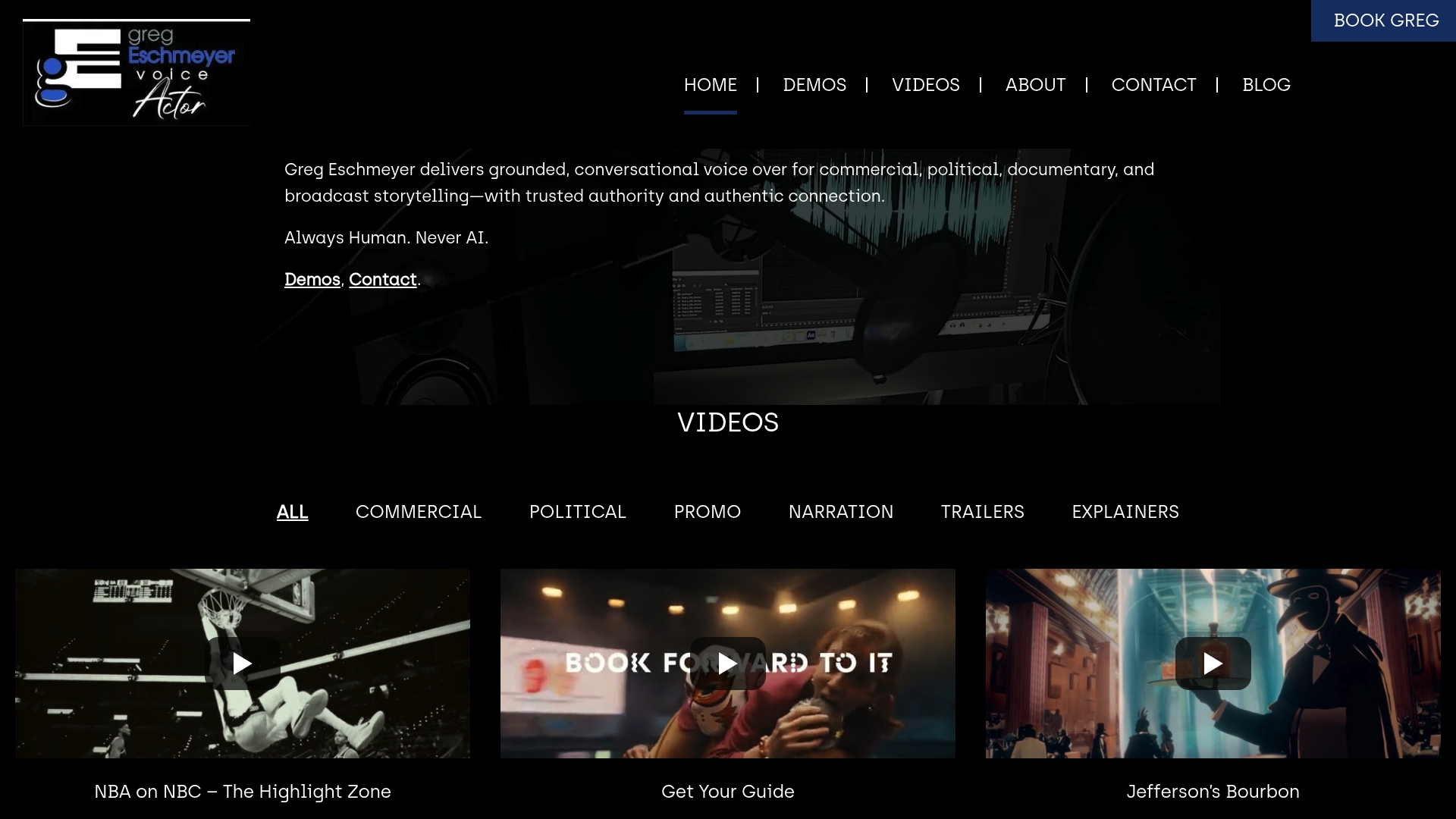
A well-written brief deserves a voice actor who reads it carefully and performs with intention. Gregeschmeyervoice specializes in grounded, conversational delivery across commercials, political messaging, documentaries, and broadcast projects. Every project starts with a thorough review of the client’s brief, and Greg brings that context directly into the recording session.
Creators who need guidance on writing their first brief or refining an existing one can find practical support at Gregeschmeyervoice.com. For projects that require authentic voice talent with fast turnaround and professional delivery, Greg’s track record of client satisfaction speaks directly to what a strong brief and a skilled voice actor can produce together.
FAQ
What is a voice over brief?
A voice over brief is a written document that defines the tone, audience, purpose, and context for a voice over project. It gives voice talent the direction needed to deliver a performance that matches the creator’s vision.
What are the key elements of a voice over brief?
The key elements include project format, target audience, intended emotional effect, tone descriptors, contextual notes about music and visuals, what to avoid, and required voice traits.
Why does a voice over brief matter for project success?
A clear brief reduces costly revisions, aligns tone and pacing expectations, and helps talent deliver more accurate performances on the first take.
How does a brief influence voice talent selection?
Briefs communicate the voice traits and tone required for a project, which filters auditions and helps casting decisions align with audience demographics and media format needs.
How long should a voice over brief be?
A brief does not need to be long. One focused page covering the six core elements, format, audience, purpose, tone, context, and what to avoid, gives talent everything needed to perform with confidence.