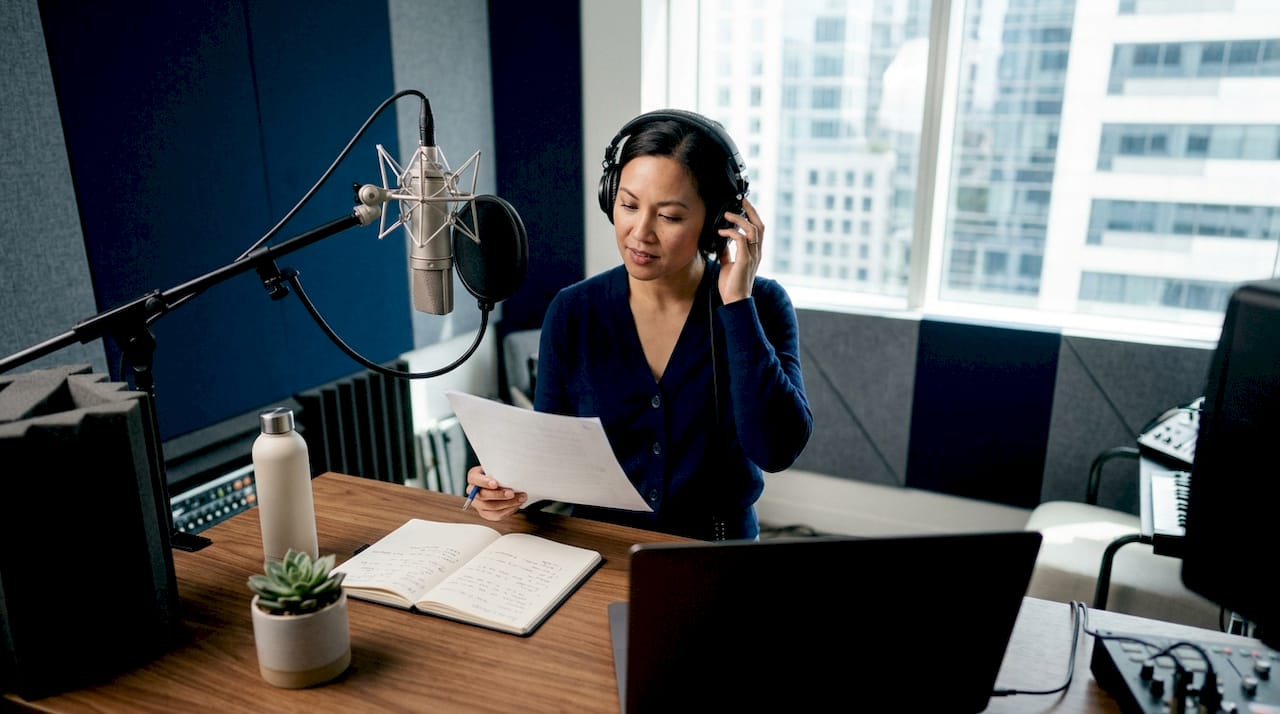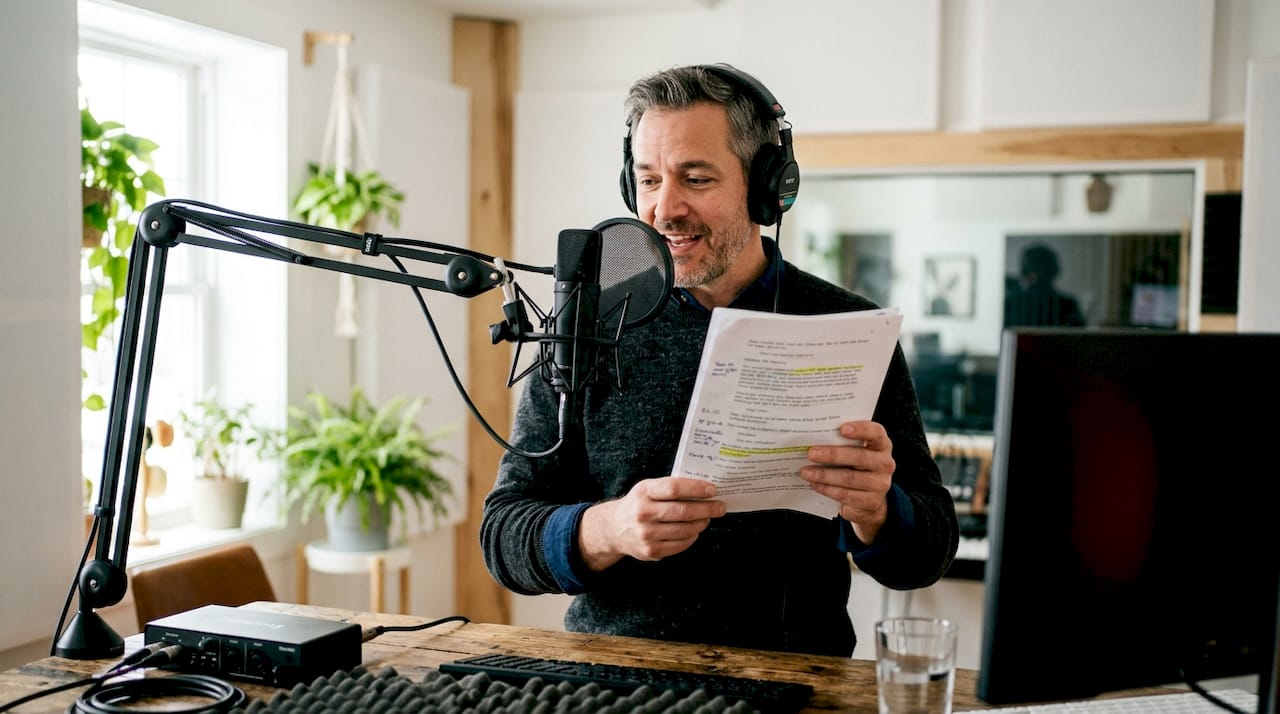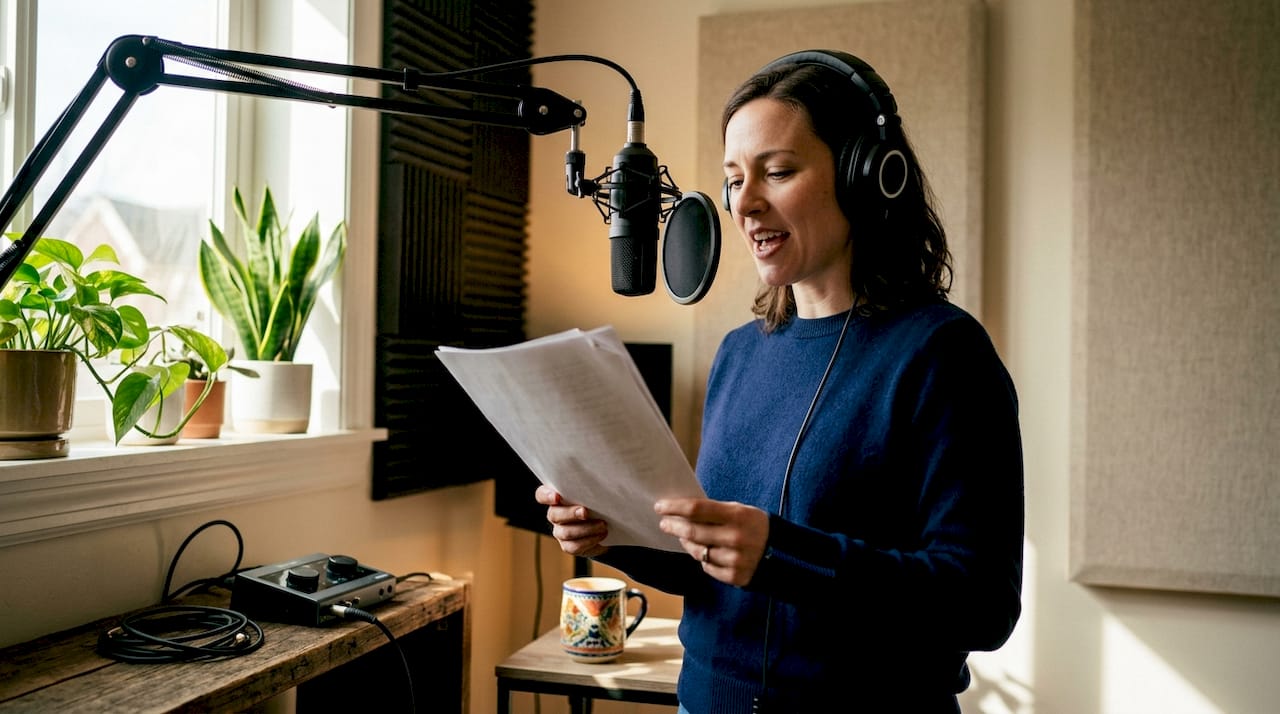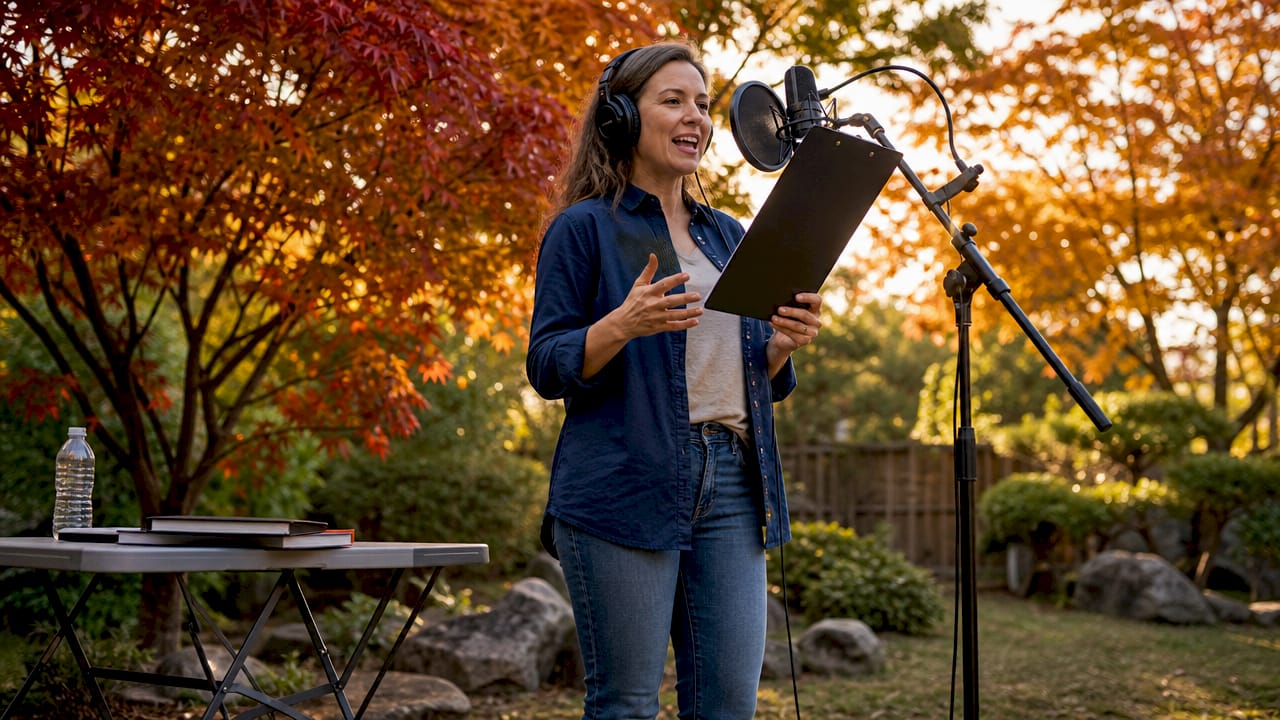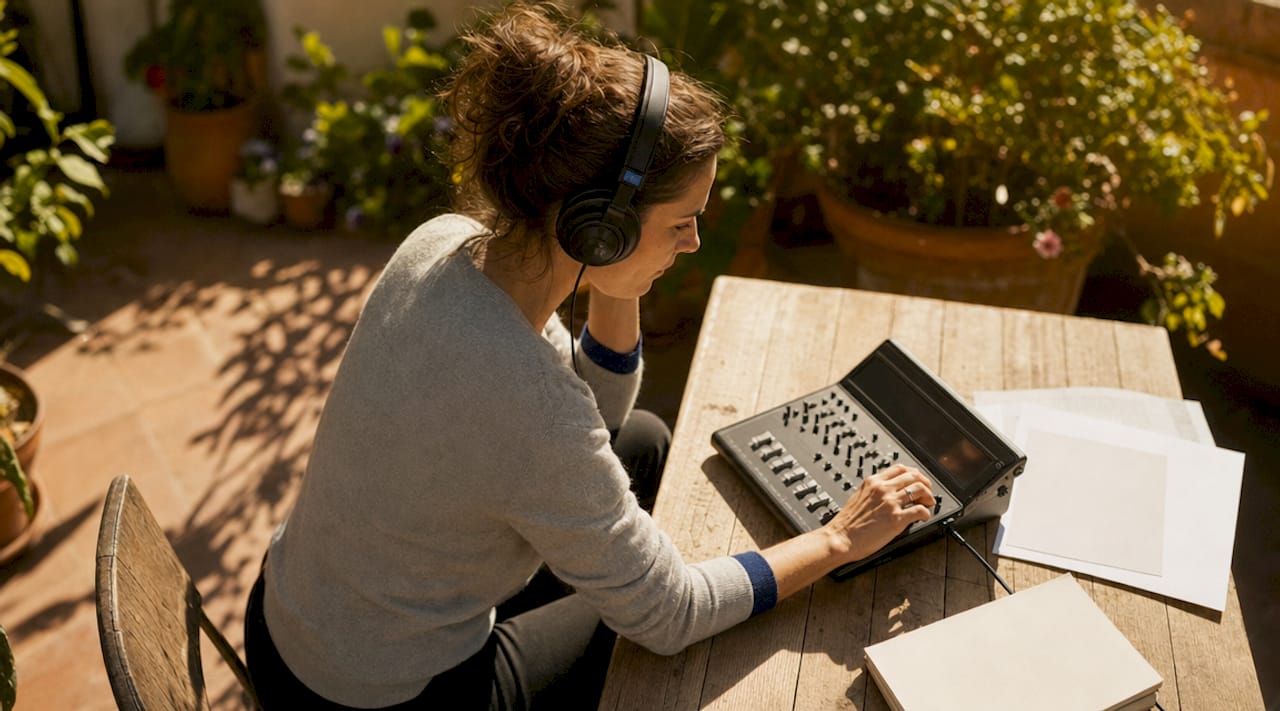
Voice delivery is the primary mechanism that controls scene pacing in storytelling, determining whether a moment lands with urgency, grief, wonder, or silence. Editors and directors often focus on cut timing and music, but the role of voice in scene pacing is where rhythm is actually born. A line read too fast collapses tension. A pause held one beat too long transforms a scene from dramatic to unbearable. This guide breaks down how voice modulates narrative timing, compares human and AI narration approaches, and gives you practical tools to control pacing with precision across documentaries, audio dramas, and multimedia productions.
How voice controls narrative rhythm and emotional flow in scenes
Vocal pacing is the deliberate manipulation of speed, silence, emphasis, and breath to guide an audience through a story’s emotional architecture. These are not stylistic flourishes. They are structural decisions that determine when an audience leans in, exhales, or feels their pulse quicken.
Consider the difference between an action sequence and a grief scene. In action, short sentences delivered at pace compress time and create urgency. In grief, a narrator who slows down and allows silence to breathe gives the audience permission to feel. The voice is not decorating the scene. It is building the scene’s internal clock.

Research into audio drama structure shows that effective pacing follows a wave: 10 to 15% establishment, 60 to 70% development, 10 to 15% climax, and 5 to 10% transition. This pattern is not arbitrary. It mirrors how human attention and emotion process narrative, requiring periods of tension followed by release to avoid listener fatigue.
The specific vocal parameters that control this wave include:
- Speed: Faster delivery compresses time and signals urgency. Slower delivery expands a moment and signals weight or intimacy.
- Silence: A pause before a key word gives that word more mass than any emphasis could. Silence is not absence. It is pressure.
- Emphasis: Stressing unexpected syllables or words redirects audience attention and creates subtext.
- Breath: Audible breath signals authenticity and human presence. Removing it creates distance or authority depending on context.
Pro Tip: Record two versions of the same line at different speeds and listen back without watching the script. The version that makes you feel something before you process the words is the correct pacing choice.
Human vs. AI narration: which controls pacing better?
The distinction between human and AI narration is not simply a quality debate. It is a structural one that affects how pacing decisions get made and who makes them.
Human narrators adjust timing instinctively based on emotional content, reading the text as a performer and making micro-decisions about breath, weight, and speed that no markup language can fully replicate. A human narrator who genuinely connects with a script will slow down at the right moment not because a comma appears, but because the meaning demands it.

AI voices standardize rhythm and compress variability, which produces consistent, platform-friendly delivery but often at the cost of emotional spontaneity. This matters most in scenes where pacing is doing the emotional heavy lifting. AI pacing is executional. Human pacing is interpretive. That gap is widest exactly where storytelling is most demanding.
| Factor | Human narration | AI narration |
|---|---|---|
| Timing decisions | Instinctive, emotion-driven | Punctuation and markup-driven |
| Consistency | Variable across sessions | Highly consistent |
| Emotional nuance | High, especially in grief or tension | Limited, tends toward neutral |
| Editorial control | Requires direction and retakes | Adjustable in post without re-recording |
| Scalability | Time-intensive | Fast and cost-efficient |
| Authenticity | Organic, audience-perceived as real | Increasingly convincing but detectable |
Modern listeners prefer predictable pacing that fits fragmented attention spans, and AI voices are built to deliver exactly that. This shifts audience expectations in ways that affect how filmmakers and editors need to think about scene timing in 2026.
The most effective current approach is the hybrid workflow. Using AI for draft passes and human narrators for final emotional delivery gives you the speed of AI iteration with the depth of human performance. You can lock picture and structure with AI, then bring in a voice actor to record the scenes where pacing carries emotional weight.
Pro Tip: Use AI narration to test your script’s structural pacing before committing to a human recording session. If the AI version feels rushed or flat in a specific scene, the script likely needs restructuring, not just a better performance.
Documentary voice over pacing techniques and their influence on scene timing
Documentary narration operates under a specific set of pacing demands that differ from drama or commercial work. The voice must carry authority without crowding the image, and it must sustain engagement across long-form content without tipping into performance.
The gold standard in this space is what practitioners call the Attenborough style: measured pacing, gentle authority, and a willingness to trust the text rather than over-perform it. Sir David Attenborough’s narration builds suspense through grammatical structure, not dramatic inflation. He lets a sentence’s natural tension do the work. This is a harder skill than it sounds, because most narrators instinctively reach for emphasis when they feel a moment is important.
Key documentary voice over pacing techniques that shape scene timing include:
- Measured delivery: Speak at a pace that allows the audience to absorb both the words and the image simultaneously. The voice should never race ahead of the visual.
- Trusting the text: Resist the urge to add vocal drama to lines that already carry emotional weight. Over-performance signals insecurity and breaks the audience’s immersion.
- The Attenborough whisper: This technique requires an instinctive, organic drop in volume and breath intensity to create intimacy. It cannot be performed mechanically. Most narrators struggle to execute it convincingly without genuine connection to the material.
- Grammatical suspense: Structure your sentences so that the most important word arrives last. The voice then simply delivers the sentence at a pace that honors that structure.
- Pacing contrast: Shift between measured and slightly faster delivery to signal transitions between information and emotion. This keeps the audience oriented without relying on music cues.
The importance of voice in documentary scenes extends beyond delivery style. The narrator’s relationship to the material, whether they understand it deeply or are simply reading, is audible. Audiences may not identify it consciously, but they feel it as credibility or its absence.
Practical strategies for managing voice pacing in editing and production
Controlling voice pacing is not only a performance skill. Editors and producers can shape pacing at the script, recording, and post-production stages. Here is a structured approach:
-
Write for breath, not just meaning. Short sentences create natural pause points. Long sentences without internal punctuation force the narrator to rush or gasp. Read every line aloud before recording and mark where breath naturally falls.
-
Use punctuation as a pacing tool. Punctuation controls delivery timing in both human and AI narration. Commas create slight natural pauses. Periods signal a full stop and reset. For AI voices, SSML (Speech Synthesis Markup Language) tags let you insert precise pause durations in milliseconds, giving you editorial control over timing without re-recording.
-
Map scene purpose before recording. Identify whether each scene’s primary function is to inform, build tension, release emotion, or transition. The pacing target for each type differs. An information-heavy scene needs clarity and moderate pace. A tension scene needs restraint and silence. Knowing this before the session prevents generic delivery.
-
Edit for rhythm, not just accuracy. In post, listen to your narration track without the picture. If the voice track alone feels monotonous or rushed, the scene will feel the same with visuals added. Use clip handles and room tone to add or remove space between sentences.
-
Avoid the two most common pacing errors. Unnatural rushing occurs when narrators try to fit too much into a scene’s runtime. Excessive pausing occurs when narrators mistake slowness for gravitas. Neither serves the story. The correct pace is the one that makes the audience forget they are listening to a voice.
For content creators working on DIY voice over production, pacing is the single most improvable element without requiring better equipment. A well-paced performance recorded on a modest microphone will outperform a rushed performance on professional gear every time.
Key takeaways
Voice delivery is the primary structural tool for controlling scene pacing, and mastering it requires understanding speed, silence, emphasis, and the emotional purpose of every scene.
| Point | Details |
|---|---|
| Voice controls scene rhythm | Speed, silence, and emphasis are structural decisions, not stylistic ones. |
| Wave pattern pacing | Effective narration follows a 10-70-15-5 tension arc that mirrors audience attention. |
| Human vs. AI pacing | Human narrators interpret emotionally; AI executes based on markup and punctuation. |
| Attenborough technique | Measured delivery and grammatical suspense outperform vocal drama in documentary work. |
| Editing for pacing | Script punctuation, SSML tags, and post-production spacing all shape final scene timing. |
Why pacing is the most underrated skill in voice performance
After working closely with filmmakers and editors across documentary, commercial, and broadcast projects, I have come to one firm conclusion: pacing is the skill that separates competent voice work from memorable storytelling. Most clients come in focused on tone or accent. Almost none come in asking about timing. That is the gap where most productions lose their audience.
The rise of AI narration has made this clearer, not murkier. When you hear an AI voice deliver a scene, you can often feel that something is technically correct but emotionally absent. That absence is almost always a pacing problem. The words arrive on schedule, but they do not breathe. They do not wait. They do not trust the silence.
What I find most interesting about the current moment is that AI voices shift pacing from an interpretive skill to a programmable parameter. That is genuinely useful for editors who want control. But it also means that the human narrator’s ability to read a scene and feel where the pause belongs is becoming rarer and more valuable, not less. The filmmakers who understand this are already building hybrid workflows that use AI for structure and humans for soul.
Pacing is not a technical task. It is a narrative responsibility. Every second of silence you choose, every word you slow down for, is a decision about what your audience feels and when they feel it. That is not something you can fully automate, and it is not something you should want to.
— kribi
Work with a voice that understands pacing

Gregeschmeyervoice brings the kind of grounded, conversational delivery that filmmakers and editors need when pacing carries the emotional weight of a scene. Greg Eschmeyer’s approach is built on authentic connection to the material, not generic performance. Whether you are producing a documentary, a broadcast piece, or a multimedia campaign, his professional voice acting is calibrated to serve your story’s rhythm, not override it. Clients consistently highlight his ability to match the specific emotional register a project demands, with fast turnaround and zero need for excessive retakes. If your next project needs a voice that knows when to slow down and when to hold silence, explore his narration work and see what intentional pacing sounds like in practice.
FAQ
What is the role of voice in scene pacing?
Voice delivery controls scene pacing by modulating speed, silence, emphasis, and breath to guide the audience’s emotional and cognitive experience. A narrator who adjusts timing to match a scene’s emotional content shapes how tension builds and releases far more directly than music or editing alone.
How does the Attenborough style affect documentary pacing?
The Attenborough style uses measured delivery and grammatical suspense rather than vocal drama to control scene timing. This approach builds intimacy and credibility by trusting the text, which keeps audiences engaged without signaling that the narrator is performing.
Can AI voices manage scene pacing effectively?
AI voices manage structural pacing well through consistent tempo and SSML markup, but they lack the interpretive timing that human narrators apply instinctively. Hybrid workflows that use AI for drafts and human narrators for emotionally critical scenes currently produce the best results.
How do punctuation and pauses control voice pacing?
Punctuation directly shapes delivery timing in both human and AI narration. Commas create slight pauses, periods signal full resets, and SSML tags allow editors to insert precise millisecond pauses in AI-generated audio for granular pacing control.
What is the most common pacing mistake in voice over work?
Unnatural rushing is the most common error, typically caused by trying to fit too much narration into a scene’s runtime. The second most common is mistaking slowness for emotional weight, which produces delivery that feels labored rather than intentional.