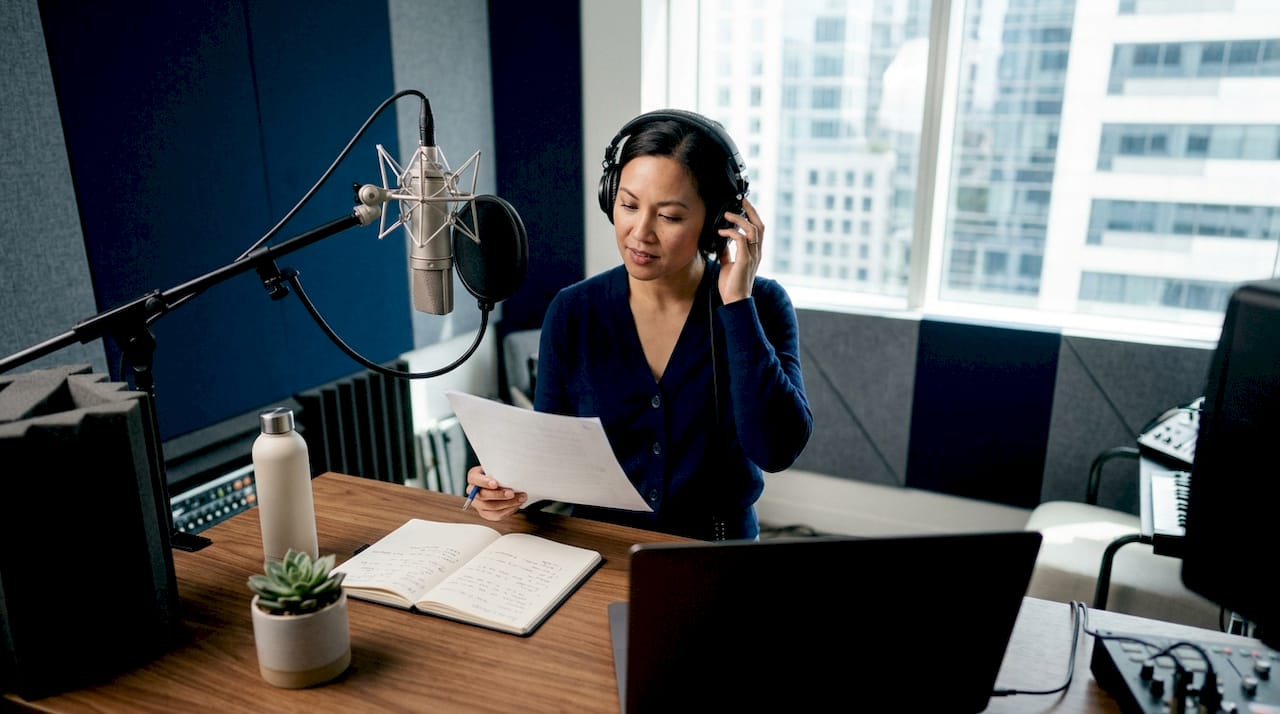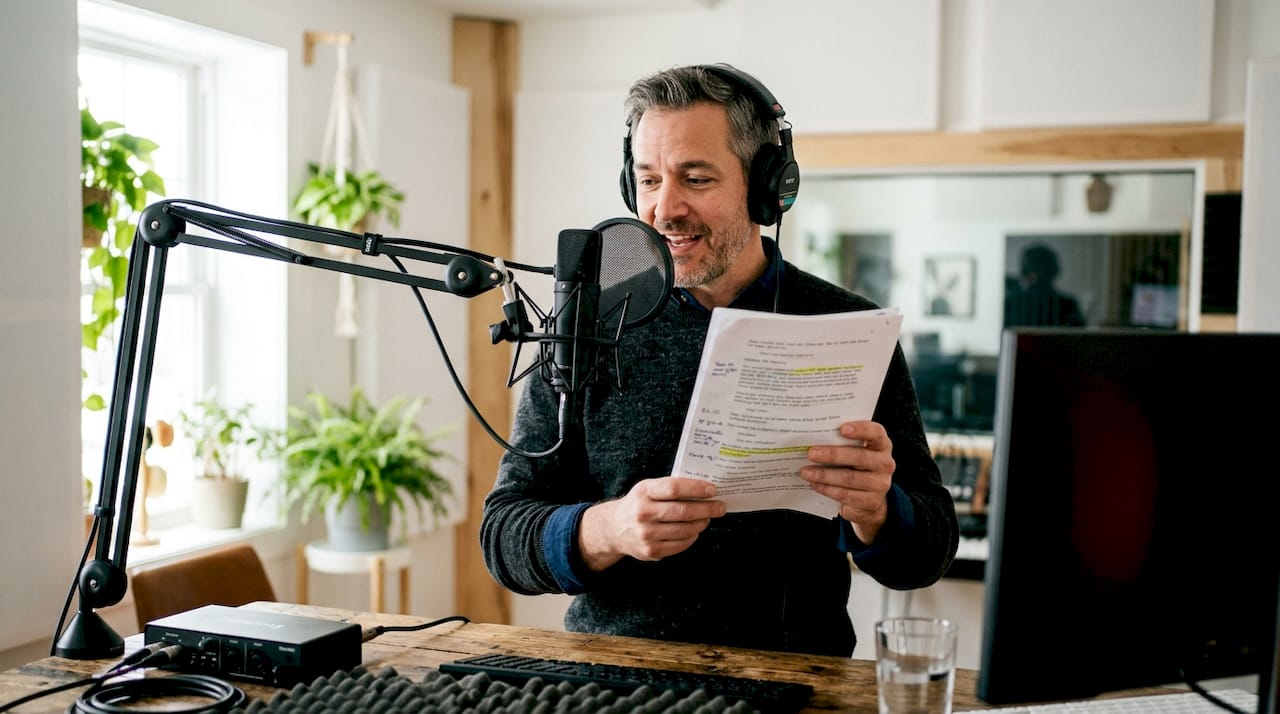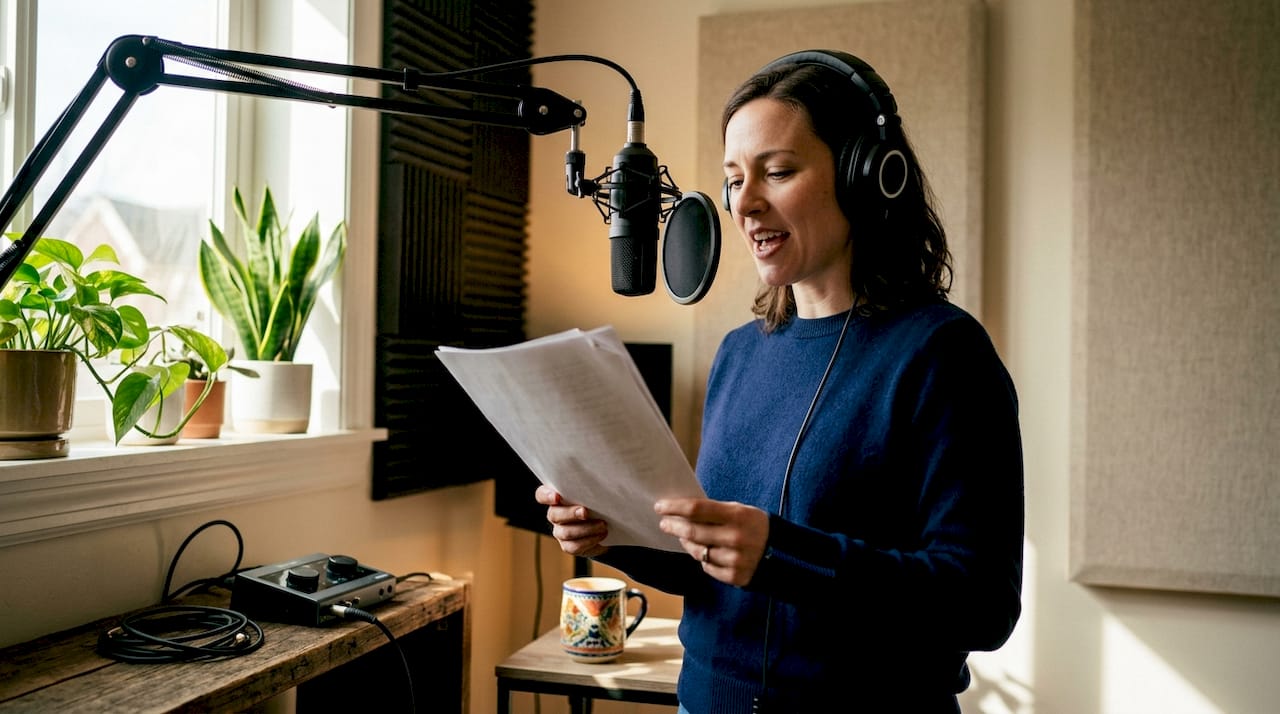
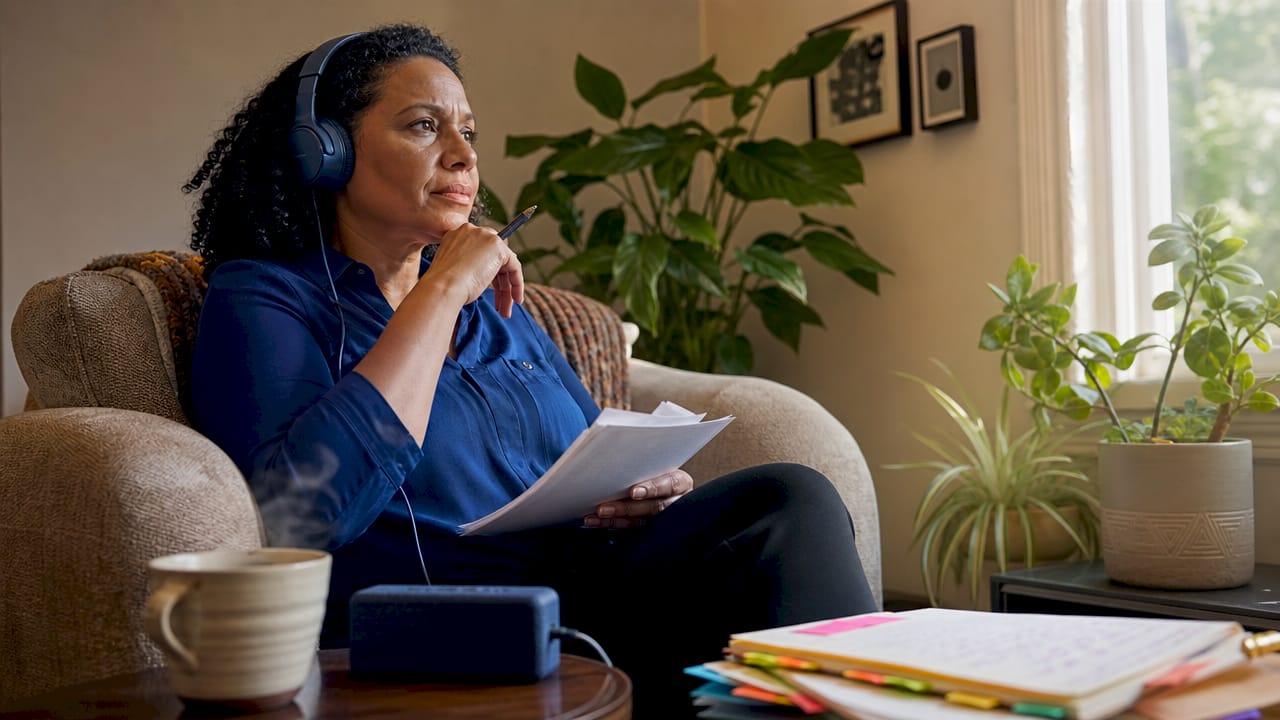
Evaluating voice over demos is the process of critically assessing audio samples to identify the voice talent that best matches your project’s tone, audience, and creative goals. For professionals in advertising, film production, and marketing, this skill separates a campaign that resonates from one that falls flat. Interactive demos convert at 24.35% compared to 3.05% for static video. That gap reflects how much the right voice performance shapes audience response. Gregeschmeyervoice is built on exactly this principle: authentic, grounded delivery that connects with real people rather than talking past them.
What criteria matter when you evaluate voice over demos?
The industry term for this process is voice talent assessment, and it covers far more than whether a voice sounds pleasant. You are measuring fit across several dimensions at once.
Voice clarity and tonal range are the starting point. A demo should demonstrate the talent’s ability to shift register, from warm and conversational to authoritative and direct, without sounding forced. Clarity means every word lands cleanly, with no muddiness in the midrange frequencies that carry consonants.
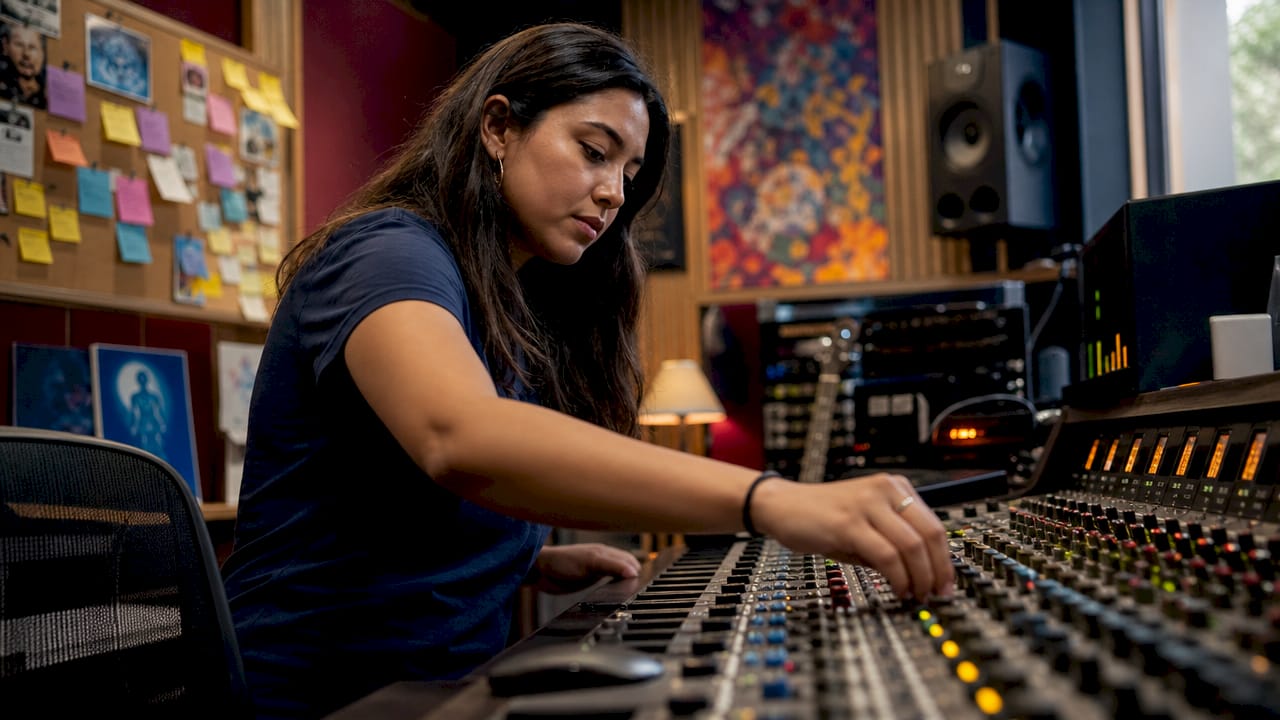
Emotional authenticity is the harder quality to pin down, but it is the one that matters most. Most voice over demos fail because of overproduction or weak vocal performance, not technical problems. Strong vocal performance outperforms elaborate production every time. Listen for whether the emotion feels earned or performed. A talent reading a commercial script should sound like they believe the product, not like they are reciting copy.
Pacing and script delivery reveal professional discipline. Professional voice over demos perform best at 120–150 words per minute. Faster feels rushed. Slower drags attention away. Time a 30-second segment of the demo and count the words. If the rate falls outside that window, flag it.
Technical production quality matters, but only as a baseline. Background noise, room reverb, and inconsistent levels are red flags. They signal either a poor recording environment or careless editing.
- Listen for consistent volume across the full demo, not just the opening seconds
- Check for unnatural breath edits or abrupt cuts between takes
- Note whether the demo includes multiple styles (commercial, narration, documentary) or only one
- Assess whether the sample types align with your specific project category
Pro Tip: Play the demo on both studio monitors and earbuds. Talent that sounds great only on high-end speakers may not translate to the mobile devices where most audiences actually listen.
What tools and knowledge help you assess voice demos accurately?
Accurate demo assessment requires the right listening environment before it requires any judgment. Good raw audio quality is critical before post-processing. A poor recording environment limits what any demo can achieve. The same principle applies to your evaluation setup: if you are listening through laptop speakers, you will miss the artifacts and room noise that reveal a talent’s true recording conditions.
| Evaluation Tool | Purpose | Recommended Standard |
|---|---|---|
| Closed-back headphones | Isolate audio details and catch background noise | Studio-grade, 20Hz–20kHz response |
| Digital audio workstation (DAW) | Visualize waveforms and check for edits or clipping | Audacity, Adobe Audition, or similar |
| Evaluation rubric | Score demos consistently across multiple candidates | Criteria: clarity, pacing, tone, authenticity, fit |
| Reference recordings | Anchor your judgment to known-good performances | Use past successful projects as benchmarks |
| Demo length checklist | Verify pacing and script density | 120–150 words per minute as the target range |
A structured evaluation rubric is the single most underused tool in demo review. Without one, producers default to gut feeling, which is inconsistent and hard to defend to a creative director or client. A rubric forces you to score pronunciation, prosody, naturalness, and brand fit separately. Scoring voice quality across these dimensions with continuous regression checks catches silent degradation over time. The same logic applies when comparing multiple human talent demos: score each dimension independently before forming an overall impression.
Pro Tip: Build a “golden pair” reference file for each project type. Record your ideal performance description in writing, then attach a reference clip that matches it. Compare every demo against that file, not against the previous demo you heard.
How to analyze and rate voice over demos step by step
A repeatable workflow removes subjectivity and speeds up decisions. Here is the process media professionals use to move from raw demo to final selection.
-
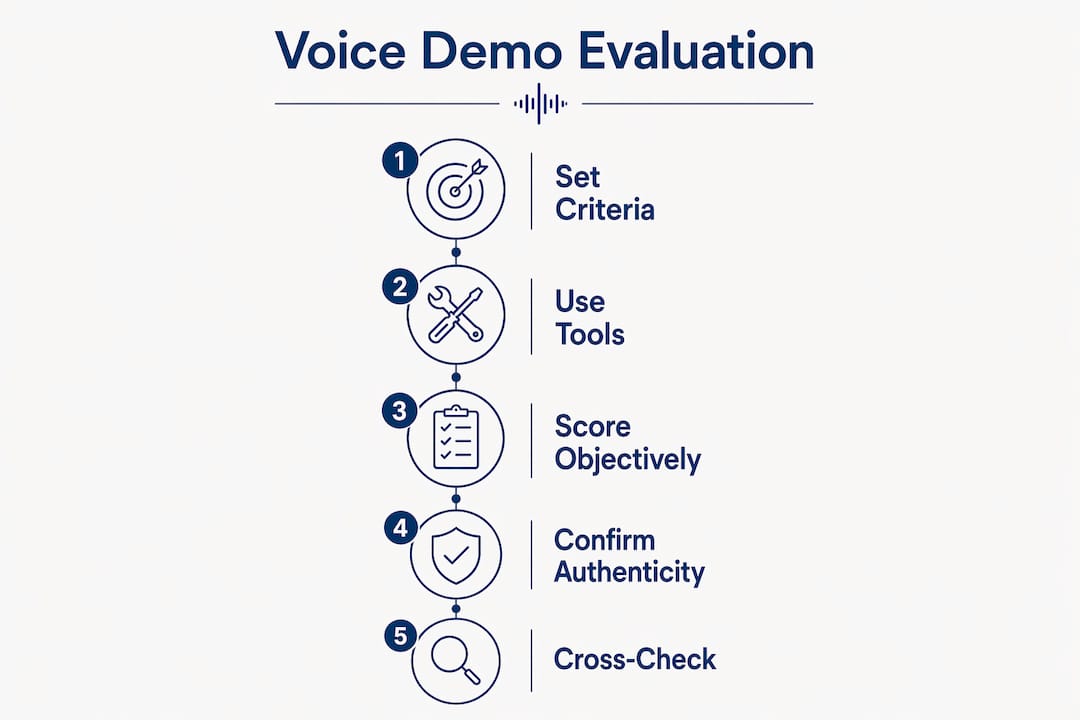
Screen for audio quality first. Before evaluating performance, confirm the recording is clean. Any demo with audible room noise, clipping, or inconsistent levels fails this gate. Do not rationalize poor audio as fixable in post.
-
Match the demo style to your project tone. Listening to demos aligned to project tone such as energetic, calm, or warm ensures better fit and authenticity assessment. Pull only the demo segments that match your project category. A documentary narrator demo tells you nothing about how that talent handles a 30-second retail commercial.
-
Score each criterion on your rubric independently. Rate clarity, pacing, emotional authenticity, and persona fit on a 1–5 scale before forming an overall impression. Write one sentence of notes per criterion while the audio is still fresh.
-
Cross-check against your script tone. Read a passage of your actual script aloud in the voice you heard. Does the talent’s delivery style fit the rhythm and intent of your copy? This test catches mismatches that rubric scores alone miss.
-
Flag red flags immediately. Common problems include: unnatural breath placement that suggests heavy editing, pacing that accelerates toward the end of sentences (a sign of nerves or inexperience), and demo segments that sound like different recording sessions stitched together.
-
Verify production consistency across the full demo. A strong opening 15 seconds followed by a drop in quality signals a talent who front-loads their best material. Listen to the full demo, not just the highlight.
“The voice that sounds best in isolation is not always the voice that serves the story. Fit matters more than flash.”
Common mistakes to avoid when reviewing voice over demos
The most expensive mistake in demo review is confusing production polish with vocal talent. A heavily produced demo with music beds, sound effects, and studio-grade mixing can make a mediocre performance sound professional. Strip the production away mentally and ask: does this voice hold up on its own?
- Skipping a structured rubric. Reviewing demos without defined criteria leads to decisions based on recency bias. The last demo you heard sounds best because it is freshest in memory.
- Ignoring persona fit. A technically clean demo from a talent whose voice persona does not match your brand will underperform in market. A luxury automotive spot requires a different presence than a children’s educational app.
- Rushing the process. Listening to 20 demos in a single session degrades judgment. Limit active evaluation sessions to 8–10 demos with breaks between them.
- Neglecting reliability signals. Experts recommend prioritizing voice actors with over 90% response rates and under 1-hour reply times. A brilliant demo from a talent who misses deadlines costs more than a good demo from a reliable professional.
- Misreading demo length as depth. A longer demo does not mean more range. A focused 90-second demo that covers three distinct styles is more useful than a 4-minute showcase padded with similar takes.
- Overlooking review patterns. Clear communication history and positive reviews mentioning audio quality and delivery speed are reliable signals of consistent talent. Patterns in buyer feedback predict freelancer reliability better than any single demo.
Key Takeaways
Effective voice over demo evaluation requires structured criteria, the right listening environment, and a repeatable scoring process applied before any gut-level judgment.
| Point | Details |
|---|---|
| Vocal performance over production | Strong delivery outperforms elaborate production; strip away music beds mentally when assessing. |
| Pacing is measurable | Target 120–150 words per minute; time demo segments to verify before shortlisting talent. |
| Use a scoring rubric | Rate clarity, pacing, tone, and persona fit independently to remove recency bias from decisions. |
| Match demos to project tone | Pull only demo segments that align with your specific project category for accurate fit assessment. |
| Reliability matters as much as talent | Response rates, review patterns, and communication history predict project success alongside demo quality. |
Why authentic voice evaluation changes everything
I have sat through hundreds of demo review sessions across advertising, documentary, and broadcast projects. The pattern I keep seeing is this: producers spend 80% of their attention on the first 10 seconds of a demo and almost none on how the talent handles a transition or a quiet moment. Those quiet moments are where authenticity lives.
The best demos I have evaluated share one quality that no rubric fully captures: the talent sounds like they are talking to one person, not performing for a crowd. That distinction is what authentic voice over actually means in practice. It is not a style choice. It is a fundamental orientation toward the listener.
Structured evaluation does not kill that instinct. It protects it. When you score the technical dimensions first, you free your ear to hear the human qualities without distraction. I have found that producers who use a rubric consistently make faster decisions and report higher satisfaction with their final selections. The rubric handles the checklist. Your judgment handles the rest.
The one thing I would tell any media professional starting a demo review process: do not skip voice talent selection as a strategic step. It shapes every downstream creative decision, from music choice to edit pacing to final mix. Get it right at the source.
— kribi
Gregeschmeyervoice: authentic voice talent for media professionals
Gregeschmeyervoice delivers the grounded, conversational performance that media professionals in advertising, film, and marketing need when authenticity is non-negotiable. Greg Eschmeyer’s demos are built around genuine human connection, not processed tone or generic delivery.
Clients consistently highlight fast turnaround, clear communication, and performances that match specific project needs from the first take. Whether you are casting a commercial, a documentary narration, or a broadcast spot, explore Greg’s voice demos to hear the difference a grounded performance makes. For project-specific guidance, the voice over scene types resource breaks down delivery approaches by format so you can match talent to your exact creative brief.
FAQ
What does it mean to evaluate voice over demos?
Evaluating voice over demos is the process of scoring audio samples against defined criteria including vocal clarity, pacing, emotional authenticity, and project fit to identify the best talent for a specific production.
How long should a professional voice over demo be?
A professional demo typically covers 90 seconds to 3 minutes. Optimal pacing runs at 120–150 words per minute, so a 5-minute demo script runs roughly 600–750 words.
What is the biggest mistake when reviewing voice demos?
The most common mistake is confusing production quality with vocal performance. A heavily produced demo can mask a weak performance. Score the voice independently from the music and sound design.
How do I check if a voice talent is reliable?
Look for response rates above 90% and reply times under one hour. Review patterns mentioning audio quality and on-time delivery are stronger reliability signals than a single impressive demo.
What equipment do I need to assess voice demos accurately?
Closed-back studio headphones are the minimum requirement. Listening through laptop speakers masks background noise and room artifacts that reveal the true quality of a talent’s recording environment.