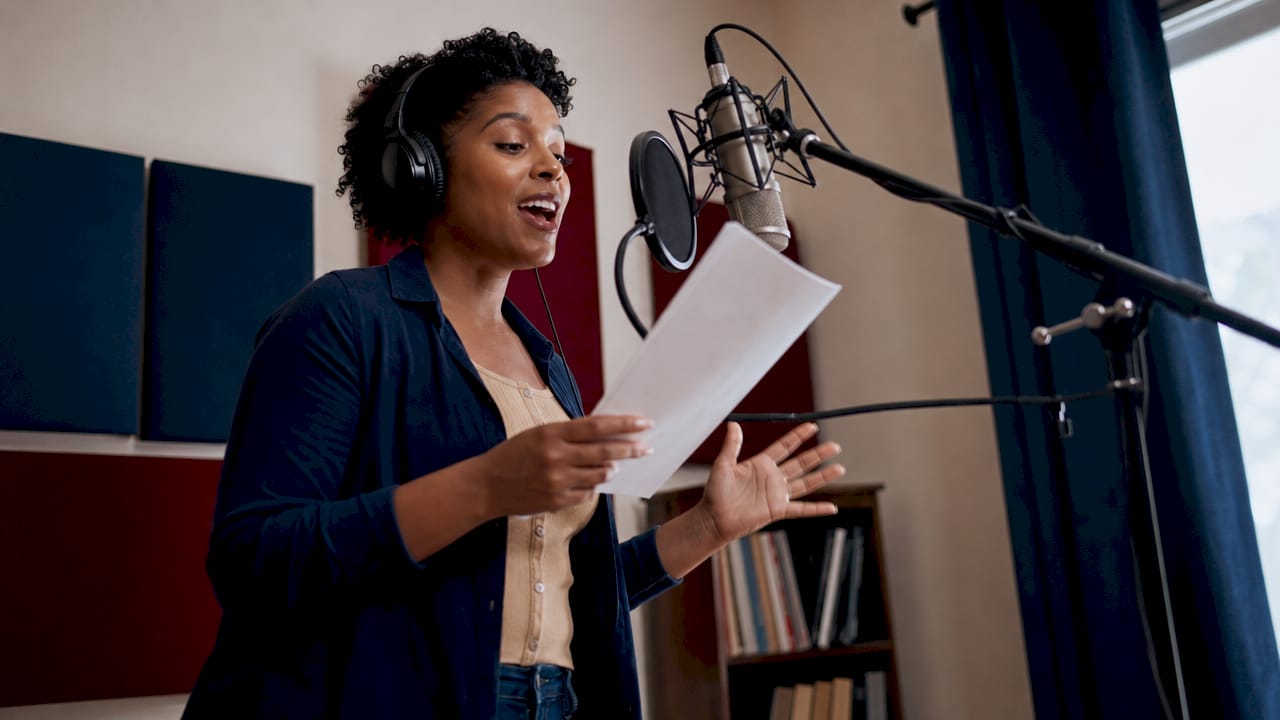
What Does Voice Talent Mean? Roles, Skills, and Careers

2026-06-06T15:22:44-04:00

Voice talent is defined as a professional who uses their voice to perform, narrate, or convey messages across media formats including advertising, audiobooks, video games, and animation. The term covers anyone hired for their vocal abilities, whether they are reading a commercial script, narrating a documentary, or voicing a cartoon character. Related terms like voiceover artist and voice actor are often used interchangeably, but each carries a distinct professional emphasis worth understanding. Knowing what voice talent means helps you make smarter decisions, whether you are hiring for a project or building a career in the field.

What does voice talent mean in professional practice?

Voice talent describes skilled individuals who use their voice professionally to convey emotions and messages across media formats. The term is broad by design. It functions as an umbrella label that includes voiceover artists, voice actors, narrators, and broadcast announcers under one category. A casting director searching for a voice talent is looking for someone who can deliver a polished, purposeful vocal performance without relying on physical presence or facial expression.

The voice talent industry spans advertising, film and television, radio, video games, and audiobooks. This breadth is not accidental. Every media format that cannot show a speaker on screen needs someone whose voice alone carries the message. A GPS navigation prompt, a museum audio guide, a corporate training module, and a Super Bowl commercial all require voice talent, even though the performance style for each differs dramatically.
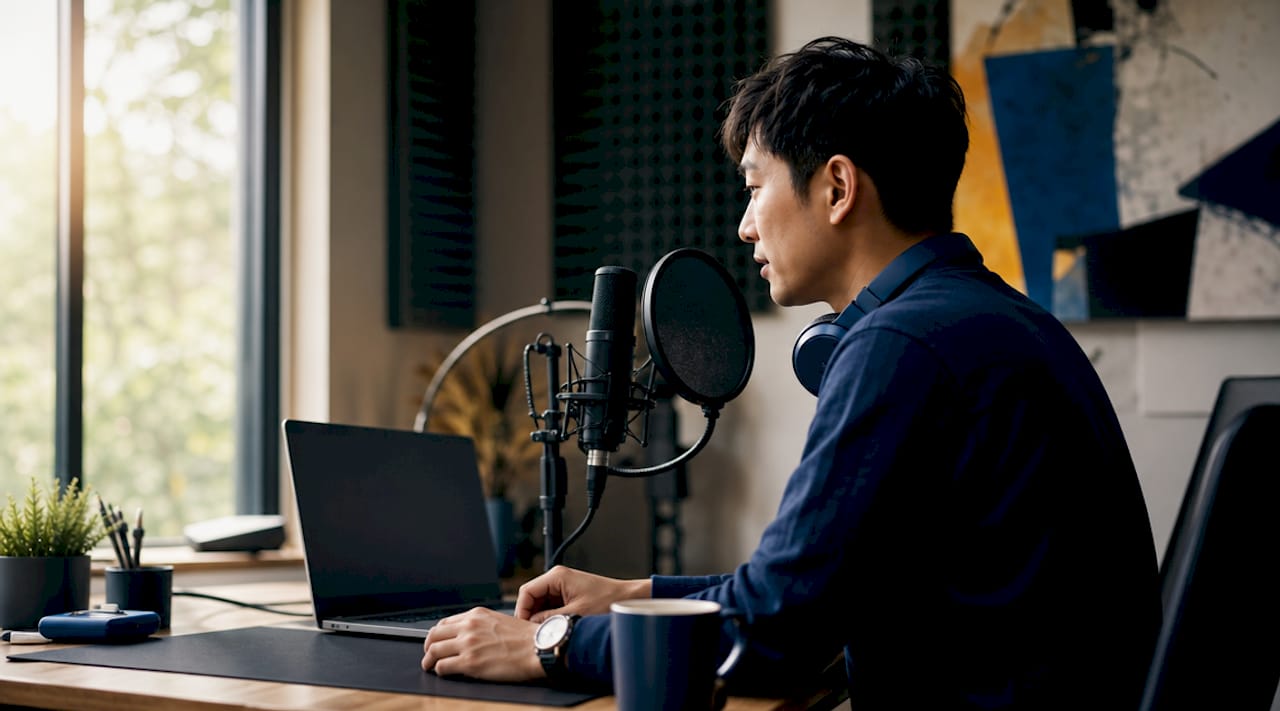
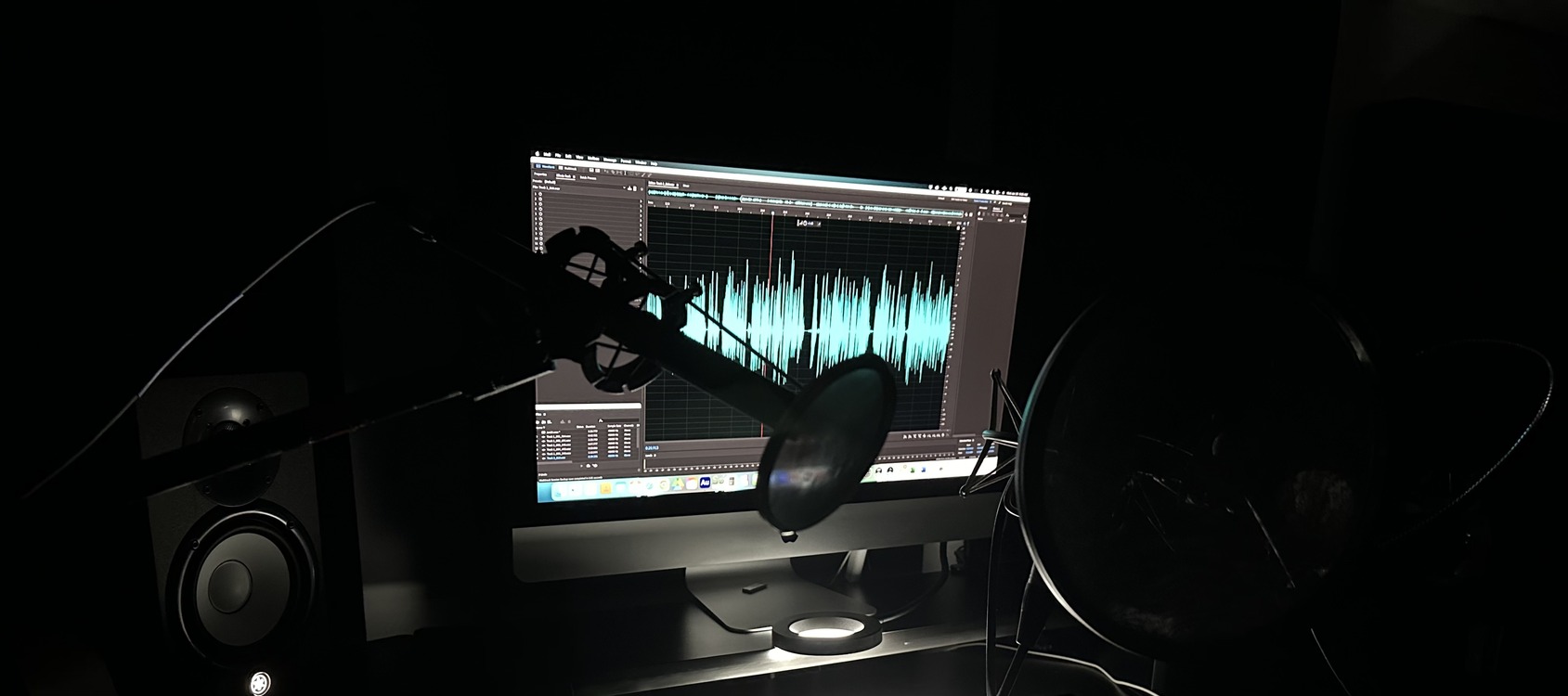
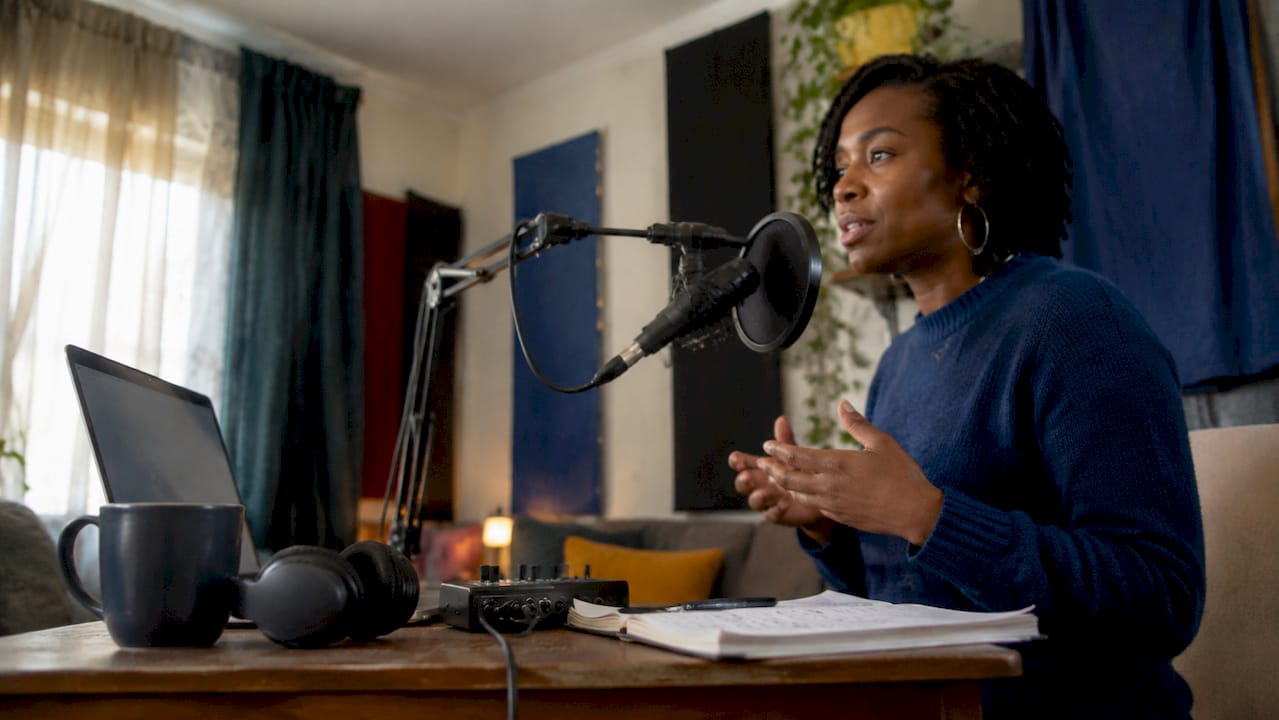
Voice talent working in home recording studio

What separates a voice talent from someone who simply has a pleasant voice is professional control. Voice talent professionals understand how to read a script with intention, match tone to context, and deliver consistent takes across multiple recording sessions. That consistency is what clients pay for.

What roles and skills define a voice talent?

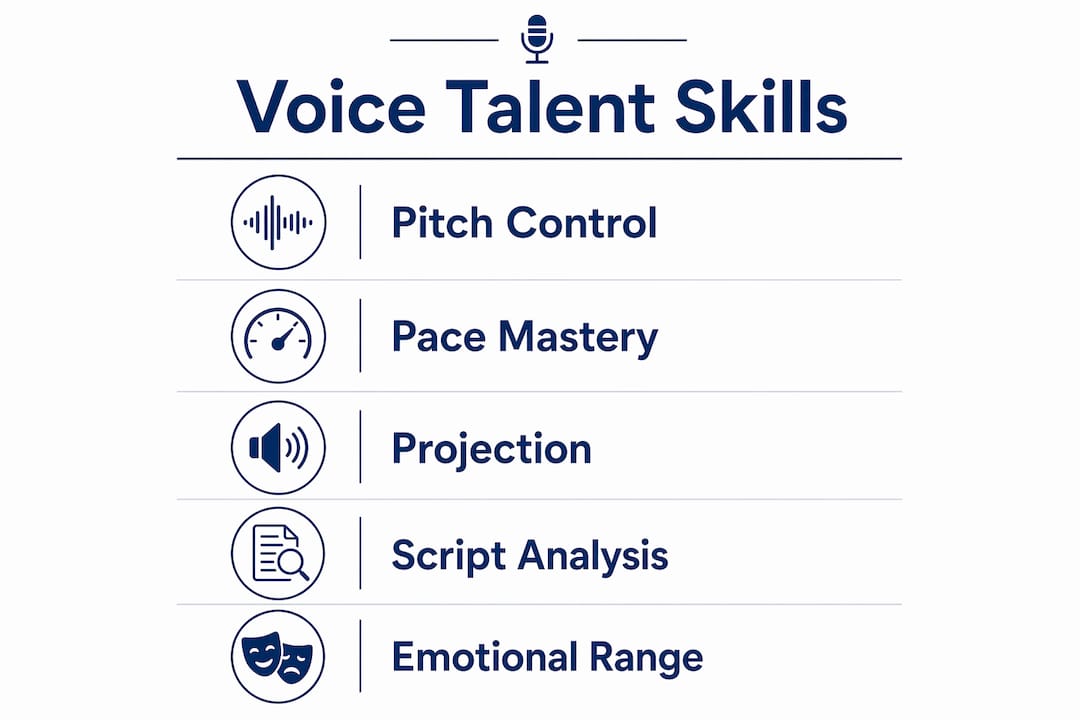
Voice talent work demands two overlapping skill sets: vocal craft and performance ability. Vocal craft covers the technical side, including tone, pace, clarity, and projection. Performance ability covers the interpretive side, including emotional authenticity, character creation, and script analysis. Strong voice talent professionals develop both.
Infographic showing key voice talent skills

The core technical variables are pitch, pace, and projection. The Three-P framework identifies these as the primary levers a voice talent controls to shape a performance. Pitch determines whether a read feels authoritative or approachable. Pace controls tension, clarity, and listener engagement. Projection governs how the voice fills a space or a microphone, which affects perceived confidence and warmth.

Most voice talents have a natural default for each of these variables. The professional difference is the ability to vary them deliberately. A voice talent who can only deliver one pace or one emotional register will struggle with diverse client needs. Controlling and varying pitch, pace, and projection is what makes recordings feel dynamic rather than flat.

Beyond the technical, voice acting requires creating character through voice without relying on facial expressions or gestures. This demands focus on vocal control and emotional authenticity. The performance skills that matter most include:

  • Breath control: Managing breath supports sustained delivery and prevents audible fatigue mid-sentence.
  • Script analysis: Understanding the purpose behind each line shapes how it is delivered.
  • Emotional range: Shifting from warmth to urgency to humor within a single session is a real professional requirement.
  • Microphone technique: Knowing how distance, angle, and room acoustics affect the recorded sound is non-negotiable in studio work.

Pro Tip: Record yourself reading a one-minute script, then listen back with the sound off. If the pacing feels monotonous even without hearing the words, your pitch and pace variation needs work before you record for a client.

How does voice talent differ from voiceover artist and voice actor?

The three terms overlap, and most working professionals use them interchangeably in casual conversation. The distinctions matter most in casting and training contexts, where the emphasis of a role shapes what skills are prioritized.

Term Primary focus Typical work
Voice talent Broad professional vocal performance Commercials, narration, character work, broadcasting
Voiceover artist Vocal craft serving a script Narration, corporate videos, commercials, e-learning
Voice actor Acting discipline with character embodiment Animation, video games, audiobooks with characters

Voiceover artists focus on off-camera voice for commercials, corporate videos, and narration. The performance is script-serving. The goal is clarity, warmth, and credibility, not character transformation. A voiceover artist reading a pharmaceutical ad is not playing a role. They are lending authority and trust to a message.

Voice actors, by contrast, emphasize performance and character embodiment. Animating a video game villain or voicing a children’s cartoon character requires emotional range and the ability to sustain a character across hours of recording. The acting discipline is front and center.

In practice, the best professionals blend both skill sets. A voice talent who can narrate a corporate training module in the morning and record character dialogue for a mobile game in the afternoon is more valuable to clients than one who specializes narrowly. The label matters less than the range.

Pro Tip: When auditioning or pitching your services, match your terminology to the client’s language. If they say “voiceover artist,” use that term. It signals you understand their world.

In what industries and media are voice talents employed?

Voice talents work across advertising, audiobooks, video games, animation, radio, film, e-learning, and navigation systems. Each industry has its own performance conventions, which is why versatility is a career asset.

Advertising and corporate media represent the largest volume of voice talent work. Television commercials, radio spots, corporate explainer videos, and product demos all require professional voice performance. The tone ranges from conversational and warm to authoritative and urgent, depending on the brand and message.

Audiobooks and podcasts demand long-form stamina. An audiobook narrator may record for six to eight hours a day across multiple weeks for a single title. The performance must stay consistent from chapter one to chapter thirty. Podcast narration and documentary work share similar demands for sustained, natural delivery.

Video games and animation are among the fastest-growing segments of the voice talent industry. A single video game title can require hundreds of characters, each needing unique vocal identities. Animation studios like Pixar and DreamWorks cast voice actors for lead roles, but the broader industry employs large numbers of voice talents for supporting characters, background voices, and localization work.

Additional industries where voice talent is regularly employed include:

  • E-learning and training: Corporate training modules, online courses, and educational software rely heavily on clear, engaging narration.
  • Navigation and virtual assistants: GPS systems, smart speakers like Amazon Alexa, and phone-based IVR systems all use recorded voice talent.
  • Radio and broadcasting: Station imaging, news narration, and live announcing remain steady sources of work.
  • Film and television: Trailers, dubbing, and documentary narration all require professional voice performance.

The common thread across every industry is the same. Clients need a voice that serves the message, holds attention, and sounds like it belongs in the context where it will be heard.

How can someone become a successful voice talent?

Voice acting is competitive but open to newcomers willing to train and develop realistic skills. The path into the profession is more accessible than most people assume, but it requires deliberate preparation rather than simply having a good voice.

Here is a practical sequence for building a voice talent career:

  1. Develop your vocal technique. Study the Three-P framework: pitch, pace, and projection. Work with a vocal coach or take structured online courses from platforms like Gravy for the Brain or Such A Voice. Coaching teaches repeatable control over your vocal variables, which is what separates a hobbyist from a professional.
  2. Study acting. Voice acting requires breath control, script analysis, emotional truth, and vocal technique beyond a pleasant voice. Improv classes, scene study, and cold reading workshops all build the performance muscles that voice work demands.
  3. Practice with real scripts. Read commercial copy, audiobook excerpts, and corporate narration scripts aloud every day. Record yourself and listen critically. Compare your reads to professional samples in the same genre.
  4. Build a demo reel. A professional demo is your primary marketing tool. It should be 60 to 90 seconds, produced at broadcast quality, and showcase two or three distinct performance styles. Work with a professional studio for your first demo rather than recording it yourself.
  5. Audition consistently. Platforms like Voices.com and Voice123 connect voice talents with clients globally. Submit auditions regularly, even when you do not book the job. Each audition sharpens your read and builds your understanding of what clients want.
  6. Invest in a home studio. Most professional voice talents now record from home. A treated recording space, a quality condenser microphone, and audio software like Adobe Audition or Reaper are the baseline setup.

Pro Tip: Do not wait until your home studio is perfect to start auditioning. A quiet closet with a USB microphone produces acceptable quality for early auditions. Waiting for perfect conditions delays the real learning, which only comes from submitting work and getting feedback.

Key takeaways

Voice talent is a professional discipline that combines vocal craft and acting skill to serve clients across every media format that relies on sound to communicate.

Point Details
Core definition Voice talent means skilled professionals hired to perform, narrate, or convey messages using only their voice.
Terminology distinction Voiceover artist emphasizes vocal craft for scripts; voice actor emphasizes character and emotional performance.
Industry breadth Voice talents work in advertising, audiobooks, video games, e-learning, navigation systems, and broadcasting.
Three-P framework Pitch, pace, and projection are the core variables every voice talent must learn to control deliberately.
Career entry Training, demo reels, consistent auditioning, and a home studio setup are the practical steps into the profession.

Why the craft matters more than the label

The terminology debate around voice talent, voiceover artist, and voice actor is real, but I have watched it distract newcomers from what actually builds a career. After spending years working in and around the voice performance world, the pattern is clear. The professionals who book consistent work are not the ones with the most unusual voices or the most impressive equipment. They are the ones who show up with prepared reads, understand what the script is trying to accomplish, and can adjust their performance on direction without losing the emotional thread.

What I find underappreciated is how much the acting side of voice work gets dismissed by people who think a good voice is enough. Voice acting demands creating character through voice without relying on facial expressions or gestures. That is genuinely hard. It takes the same kind of emotional discipline that stage and screen acting requires, just applied to a microphone instead of a camera. The voice talents who treat their work as a performance craft rather than a vocal exercise are the ones clients call back.

The market in 2026 is also more open than it has ever been for newcomers with the right preparation. Remote recording has removed geographic barriers. A voice talent in Cincinnati can book a national commercial without leaving their home studio. That access is real, but it also means the competition is global. The answer is not to chase every niche or rebrand yourself constantly. The answer is to get very good at a few things and be consistent about showing up.

— kribi

Work with a professional voice talent for your next project
https://gregeschmeyervoice.com

When a project needs a voice that sounds genuinely human rather than produced, the difference shows in the final result. Gregeschmeyervoice delivers a grounded, conversational performance style built for commercials, political messaging, documentaries, and broadcast work. Greg Eschmeyer’s clients consistently point to his quick turnaround, professional direction response, and ability to match the emotional tone a project needs without multiple rounds of revision. If you are a producer or advertiser looking for voice talent that connects with real audiences, explore professional voice acting services at Gregeschmeyervoice and see how authentic delivery changes the impact of your message.

FAQ

What is the definition of voice talent?

Voice talent refers to a professional who uses their voice to perform, narrate, or convey messages across media formats such as advertising, audiobooks, video games, and animation. The term covers both voiceover artists and voice actors under one broad professional category.

How is a voiceover artist different from a voice actor?

A voiceover artist focuses on vocal craft to serve a script, typically for narration, commercials, and corporate videos. A voice actor emphasizes character embodiment and emotional performance, most commonly in animation and video games.

What skills does a voice talent need?

Core skills include pitch, pace, and projection control, along with script analysis, breath control, emotional range, and microphone technique. Acting training is equally important because voice performance requires conveying emotion without any visual support.

How do you start a career in voice acting?

Start by developing vocal technique through coaching, studying acting, and practicing with real scripts daily. Build a professional demo reel, set up a home recording space, and audition consistently on platforms like Voices.com or Voice123.

Is voice talent work in demand in 2026?

Demand for voice talent remains strong across e-learning, video games, advertising, and audiobook production. Remote recording technology has expanded access for both clients and talent, making the market more competitive but also more accessible to newcomers with strong preparation.
Article generated by BabyLoveGrowth

What Does Voice Talent Mean? Roles, Skills, and Careers2026-06-06T15:22:44-04:00

Spec Voice Over Without a Studio: DIY Guide

2026-06-06T15:20:07-04:00

A spec voice over without studio access is fully achievable at broadcast quality when you control three variables: room acoustics, microphone placement, and self-direction workflow. Most independent creators assume a treated recording booth is the price of entry. It is not. Acoustic treatment and mic placement outweigh expensive gear for improving home voiceover quality. Tools like the Shure SM7B, moving blankets, and a disciplined pre-session routine can produce results that hold up against professional studio output. This guide covers every layer of that process, from gear selection to self-directing your own takes.

What equipment do you need for a spec voice over without studio?

The minimum viable setup for home voice over recording costs less than most creators expect. Broadcast-quality home voiceover studios can be built for under $500 using moving blankets, quality headphones, and a modest microphone. That figure covers the four core components: a microphone, an audio interface, headphones, and basic acoustic treatment. Every dollar beyond that is a refinement, not a requirement.

Dynamic vs. condenser microphones for untreated rooms

Microphone choice shapes your recording more than any other single piece of gear. Dynamic microphones outperform condensers in untreated rooms because they reject off-axis noise and require closer placement. The Shure SM7B and Electro-Voice RE20 are the two most cited dynamics for this reason. Condensers like the Audio-Technica AT2020 capture more detail but also capture every reflection, air conditioner hum, and street noise in your space. If your room is untreated, a dynamic mic is the safer starting point.

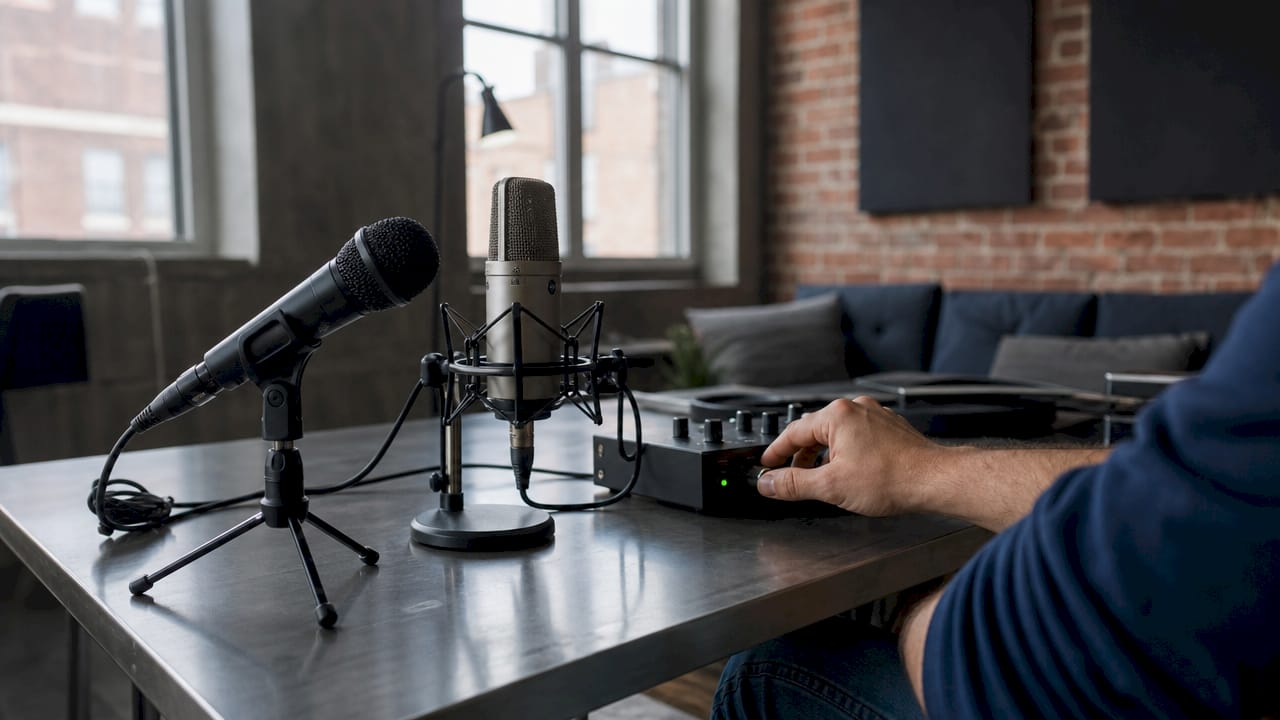
Dynamic and condenser microphones side by side

Acoustic treatment on a budget

Room reflections define voiceover quality more than microphone brand. Hanging moving blankets on parallel walls breaks up flutter echo for roughly $60 to $80 total. Closets packed with clothing are a well-known DIY solution because fabric absorbs mid and high frequencies effectively. One critical warning: cheap foam panels absorb high frequencies while leaving low frequencies to resonate, making recordings sound boxy. For low-end control, thick mineral wool panels or purpose-built bass traps in room corners are the only reliable fix.

Pro Tip: Record a 30-second room tone sample before every session. Play it back through headphones to catch hum, HVAC noise, or reflections you have tuned out consciously.

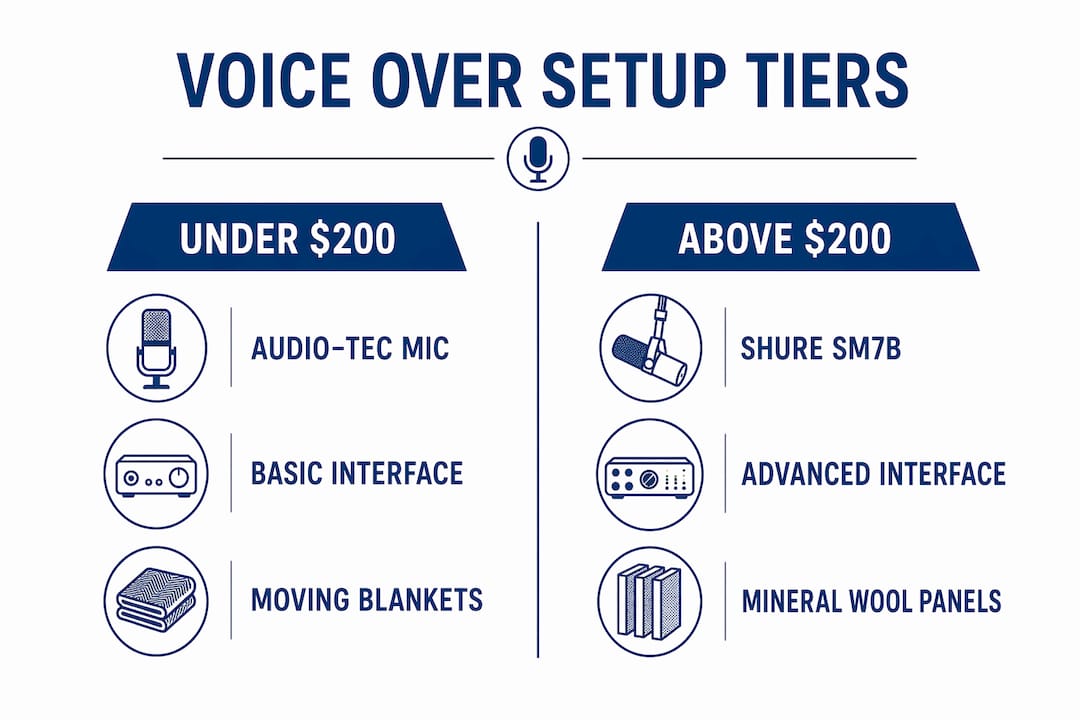
Here is a starter gear comparison by budget tier:

Budget tier Microphone Interface Treatment Best for
Under $200 Audio-Technica ATR2100x Built-in USB Moving blankets First-time creators
$200 to $400 Shure SM58 + Focusrite Scarlett Solo Focusrite Scarlett Solo Blankets + closet Regular content producers
$400 to $600 Shure SM7B Focusrite Scarlett 2i2 Mineral wool panels Spec and commercial work

Infographic comparing budget home voice over setups

How do you position your mic for clean voiceover recordings?

Mic placement is where most DIY voice over from home setups fail silently. The recording sounds acceptable in headphones but falls apart in post-production or on client playback. Getting placement right from the start saves hours of editing.

  1. Set your distance. Maintain 6 to 10 inches between your mouth and the mic capsule. Closer than six inches exaggerates bass through the proximity effect. Farther than ten inches picks up room reflections that no software can cleanly remove.
  2. Angle the mic slightly off-axis. Pointing the capsule directly at your mouth amplifies plosive sounds on P and B consonants. Angling the mic slightly off-axis reduces plosives without losing vocal presence. A five to ten degree offset is enough.
  3. Position away from walls and room center. Placing the mic three feet from walls and away from the room’s center reduces comb filtering, which causes uneven frequency response across the recording.
  4. Set gain for peaks at -12 to -6 dBFS. Recording around -3 dBFS causes clipping and eliminates post-production flexibility. Aim lower to preserve headroom for editing, compression, and delivery normalization.
  5. Use a pop filter consistently. A pop filter placed two inches in front of the capsule catches air bursts before they hit the diaphragm. It also enforces consistent mouth-to-mic distance across takes, which matters when you are self-directing.

Pro Tip: Mark your mic stand position with tape on the floor after you find the right placement. Recreating the exact setup across sessions is faster than re-dialing everything from scratch.

How do you self-direct voiceover recordings remotely?

The biggest shift in recording without a studio is adopting both the performer and director roles simultaneously. Most voice actors trained in studios have someone else catching energy drops, pacing issues, and mispronunciations. When you record voice over from home, that responsibility falls entirely on you. A structured workflow is the only reliable substitute.

A practical pre-session routine runs like this:

  1. Vocal warmup for five to ten minutes. Lip trills, tongue twisters, and humming loosen the voice and reduce the flat, tight quality that shows up in cold recordings. The self-direction workflow recommended by VOTrainer starts here before any gear is touched.
  2. Mark your script. Use a printed or annotated digital copy. Mark breath points, emphasis words, and any phrases that need a specific tone. This prevents reading on autopilot, which is the primary cause of “announcer mode.”
  3. Record multiple deliberate variations. Do not record one take and move on. Record a conversational read, a warmer read, and a higher-energy read of every key section. Clients often cannot articulate what they want until they hear options.
  4. Slate your takes verbally. Slating takes clearly by saying “Take 1, conversational” before each recording keeps your session organized and makes client communication faster when delivering files.
  5. Review takes as a director, not a performer. After recording, step away for two minutes. Then listen back through headphones with the script in front of you. Evaluate energy, pacing, and technical quality separately. Catching a performance issue and a noise issue in the same pass leads to missed problems.

Physical movement and visualization during recording prevent stiffness and improve vocal expressiveness. Standing rather than sitting, gesturing naturally, and imagining a specific real person you are speaking to all produce measurably more natural performances in solo sessions.

Pro Tip: Record a “throwaway” take at the start of every session where you read the first paragraph casually, as if telling a friend about it. This loosens performance habits before the real takes begin.

How do you troubleshoot common home voiceover problems?

Even a well-planned no studio voice over setup produces problems. The key is diagnosing issues by category rather than guessing at solutions.

Room echo and low-frequency buildup are the two most common complaints. Echo appears as a slight reverb tail on consonants. Low-frequency buildup causes a boomy, muddy quality that moving blankets cannot fix. Thick bass traps in corners are the only reliable solution for low-end control in untreated spaces.

Clipping and inconsistent levels usually trace back to gain staging errors. If your waveform shows flat tops on peaks, your interface gain is too high. Drop the gain until peaks sit between -12 and -6 dBFS and re-record. Do not try to fix clipped audio in post-production. It cannot be recovered.

Noise reduction software overuse is a subtler problem. Tools like iZotope RX should be used sparingly. Overprocessing creates an unnatural “watery” artifact that signals amateur post-production to any experienced listener. The correct approach is to fix the source problem acoustically rather than relying on software to clean it up.

Here are the most common issues and their fixes:

  • Boxy or muffled sound: Thin foam panels absorbing highs but not lows. Replace with mineral wool or reposition to a more furnished room.
  • Inconsistent tone across sessions: Mic position is shifting. Use floor tape marks and a consistent stand height.
  • Background hum: HVAC or refrigerator noise. Record during off cycles or move to a different room temporarily.
  • Plosive pops: Pop filter missing or mic is on-axis. Angle the capsule slightly and add a pop filter.
  • Hollow or echoey sound: Recording too close to bare walls. Move mic three feet from walls and add absorption behind the recording position.

Pro Tip: Send a 10-second test clip to a trusted colleague or client before committing to a full session. Fresh ears catch problems your own ears have normalized.

Key takeaways

Spec voice over without a studio succeeds when acoustic treatment, mic placement, and a disciplined self-direction workflow are treated as equally important as the gear itself.

Point Details
Room acoustics over gear Treating reflections with moving blankets or mineral wool matters more than buying an expensive microphone.
Dynamic mics for untreated spaces Shure SM7B and Electro-Voice RE20 reject off-axis noise better than condensers in non-studio rooms.
Gain staging discipline Record peaks at -12 to -6 dBFS to preserve headroom and avoid unrecoverable clipping.
Self-direction workflow Slate takes, record deliberate variations, and review as a director after stepping away briefly.
Conservative noise reduction Use iZotope RX sparingly. Fix acoustic problems at the source rather than in post-production.

What I have learned from years of recording without a traditional booth

The most common mistake I see independent creators make is spending money before solving the room. A $400 microphone in a bare-walled bedroom sounds worse than a $100 dynamic in a closet full of clothes. The physics are not negotiable. Spend your first $80 on moving blankets, not a new mic.

The second lesson is harder to accept: self-direction requires more discipline than performing for a director. When no one is watching, it is easy to accept a mediocre take because it is technically clean. I keep a simple checklist on my desk: energy, clarity, and connection. Every take gets evaluated on all three before I move on. If one is missing, the take does not make the cut, regardless of how clean the audio is.

Budget voice over options have never been more capable. The gap between a well-executed home recording and a professional studio recording has narrowed to the point where most listeners cannot identify it. What they can identify is a flat, disconnected performance. Invest in your craft and your room before you invest in gear.

Work with a professional voice actor for your next project

https://gregeschmeyervoice.com

When your project needs a voice that connects rather than just reads, Gregeschmeyervoice delivers the grounded, conversational quality that audiences respond to. Greg Eschmeyer’s work spans commercials, political messaging, documentaries, and broadcast, with a track record of fast turnaround and performances that match specific project tone. Whether you are producing spec content or a full campaign, the difference between adequate and memorable often comes down to the voice. Explore demos, review client testimonials, and book your next project directly at Gregeschmeyervoice.com.

FAQ

What is a spec voice over without studio access?

A spec voice over without studio access is a demonstration recording produced in a home or improvised space to showcase vocal performance for potential clients or casting. It uses controlled acoustic treatment and proper mic placement to achieve broadcast-acceptable quality without a professional recording booth.

What microphone works best for home voice over recording?

Dynamic microphones like the Shure SM7B or Electro-Voice RE20 work best in untreated rooms because they reject off-axis noise and room reflections more effectively than condenser microphones.

How much does a DIY voice over setup cost?

A functional home voiceover setup costs under $500, covering a dynamic microphone, an audio interface like the Focusrite Scarlett Solo, Sony MDR-7506 headphones, and moving blankets for acoustic treatment.

How do you avoid “announcer mode” when self-directing?

Mark your script for emphasis and breath points before recording, then imagine speaking to one specific real person rather than an audience. Recording a casual throwaway take at the start of each session also loosens performance habits before the real takes begin.

Can noise reduction software fix a bad recording environment?

Noise reduction tools like iZotope RX can reduce background noise but should be used sparingly. Overprocessing creates unnatural audio artifacts that signal poor production quality. Fixing the acoustic environment at the source always produces better results than software correction.

Spec Voice Over Without a Studio: DIY Guide2026-06-06T15:20:07-04:00

Help me Help you….Taking Direction in a Session

2026-02-22T22:51:38-05:00

voiceover strategy

I’ve been doing this ‘talking into a microphone’ thing for a little while. Most of my life in fact.  I work with amazing coaches…attend various workshops where I’ve met and worked on my craft with the best talent in the industry….I have earned my way on to the roster of the biggest Voiceover Agency in the country…I’ve been a successful Voice Actor for 14 years. OK nothing humble about this brag…but I have spent a lot of time developing my voice (literally and figuratively), my skills, my business, and yes, my confidence. So certainly I don’t need someone telling me how to do this Voice Acting thing for their project, right??

Wrong!

Hey, if you want to send me your script and say, “here it is, just do what you do…” OK…I’m confident I can hit record and give you 2 or 3 takes and you will be completely happy with what I deliver. No problem. And sometimes that’s all a project requires. Cool! Easy for you, easy for me. I love this job!!

But sometimes a project could use a little more. A little more thought, a little more process, a little more collaboration. And it’s my absolute favorite way to work, because I know you are going to make me better.

I join you on a live session, whether Source Connect or Zoom. We get to talk with one another, human to human! We look at the script together, you tell me what you ‘think’ you are looking for (sometimes you know, sometimes you have a vague idea), and then we jump in and start digging for the good stuff.

I have worked with Directors that make me shake my head and smile because I feel so good about where they are taking me. They know what they are doing and know how to direct in a way that helps push me to another level. It doesn’t get any better than that! I have also worked with whoever is directing and I can tell they are not sure what they want or sure how to direct or are a bit timid and don’t want to sound critical…and that is absolutely OK. In those cases I bring them along and let them know they can share anything they want. It is not my job to be offended or snarky (unless it’s in the script). It’s my job to deliver what you want, or even better, end up with something you feel great about and DIDN’T know it’s what you wanted.

The point is, we should both have an idea of what we think we want to do with the script, but come in with an open mind and ‘find the magic’ within the live process. That is the benefit of doing a live recording. And if we don’t find it right away, we just talk about it and do another take. I am the high end vehicle, you are free to take the wheel. (Sometimes humility is overrated).

I really do love this job! Want to go for a joy ride?

Check out my featured work and demos at gevoice.com, and reach out to talk about your next project at greg@gevoice.com.

Cheers!

Greg

Help me Help you….Taking Direction in a Session2026-02-22T22:51:38-05:00

Can Voice Acting Really Be Replaced by AI?

2026-02-22T22:53:26-05:00

Let’s get REAL.


Can Voice Acting really be replaced by AI?

Absolutely…NOT! 


I am seeing more and more clients use AI as a place holder, but the more we hear AI voices, the more we all recognize how completely non-human it is. For years brands have evolved to be more personal, more conversational, more real. Connecting to an audience requires real empathy, real emotion, and a real skilled human talking to them. This cannot be achieved with simply a voice, real or synthetic, without the ability to connect human to human.

While AI can replicate sound, it can’t replicate soul. Voice acting is more than pronunciation and tone — it’s emotional intelligence, timing, and human connection. A skilled actor interprets context, nuance, and subtext; they understand pacing, energy, and authenticity in ways that go beyond data points.

Audiences instinctively recognize when something feels real — the subtle breath before a line, the imperfection that conveys emotion, the humanity that makes storytelling powerful. That’s what builds trust, empathy, and connection — things AI can imitate but not truly feel.

AI can be a helpful tool in production, but it should never replace the artistry, spontaneity, and emotional truth that professional voice actors bring to every project. Because at the end of the day, great storytelling needs a human voice — not just a human sound.

So…let me be the answer you’ve been waiting for. The passion behind your brand, the grit and hard work behind your story, the straightforward message to your audience, the voice people remember.


Let’s chat.


13 years of ongoing training, development, and results.


Commercials, Documentaries, Promo, Trailers, Corporate Narration, eLearning and more.


Let me tell your story.


Can Voice Acting Really Be Replaced by AI?2026-02-22T22:53:26-05:00
Go to Top