Voice talent is defined as a professional who uses their voice to perform, narrate, or convey messages across media formats including advertising, audiobooks, video games, and animation. The term covers anyone hired for their vocal abilities, whether they are reading a commercial script, narrating a documentary, or voicing a cartoon character. Related terms like voiceover artist and voice actor are often used interchangeably, but each carries a distinct professional emphasis worth understanding. Knowing what voice talent means helps you make smarter decisions, whether you are hiring for a project or building a career in the field.
What does voice talent mean in professional practice?
Voice talent describes skilled individuals who use their voice professionally to convey emotions and messages across media formats. The term is broad by design. It functions as an umbrella label that includes voiceover artists, voice actors, narrators, and broadcast announcers under one category. A casting director searching for a voice talent is looking for someone who can deliver a polished, purposeful vocal performance without relying on physical presence or facial expression.
The voice talent industry spans advertising, film and television, radio, video games, and audiobooks. This breadth is not accidental. Every media format that cannot show a speaker on screen needs someone whose voice alone carries the message. A GPS navigation prompt, a museum audio guide, a corporate training module, and a Super Bowl commercial all require voice talent, even though the performance style for each differs dramatically.

What separates a voice talent from someone who simply has a pleasant voice is professional control. Voice talent professionals understand how to read a script with intention, match tone to context, and deliver consistent takes across multiple recording sessions. That consistency is what clients pay for.
What roles and skills define a voice talent?
Voice talent work demands two overlapping skill sets: vocal craft and performance ability. Vocal craft covers the technical side, including tone, pace, clarity, and projection. Performance ability covers the interpretive side, including emotional authenticity, character creation, and script analysis. Strong voice talent professionals develop both.

The core technical variables are pitch, pace, and projection. The Three-P framework identifies these as the primary levers a voice talent controls to shape a performance. Pitch determines whether a read feels authoritative or approachable. Pace controls tension, clarity, and listener engagement. Projection governs how the voice fills a space or a microphone, which affects perceived confidence and warmth.
Most voice talents have a natural default for each of these variables. The professional difference is the ability to vary them deliberately. A voice talent who can only deliver one pace or one emotional register will struggle with diverse client needs. Controlling and varying pitch, pace, and projection is what makes recordings feel dynamic rather than flat.
Beyond the technical, voice acting requires creating character through voice without relying on facial expressions or gestures. This demands focus on vocal control and emotional authenticity. The performance skills that matter most include:
- Breath control: Managing breath supports sustained delivery and prevents audible fatigue mid-sentence.
- Script analysis: Understanding the purpose behind each line shapes how it is delivered.
- Emotional range: Shifting from warmth to urgency to humor within a single session is a real professional requirement.
- Microphone technique: Knowing how distance, angle, and room acoustics affect the recorded sound is non-negotiable in studio work.
Pro Tip: Record yourself reading a one-minute script, then listen back with the sound off. If the pacing feels monotonous even without hearing the words, your pitch and pace variation needs work before you record for a client.
How does voice talent differ from voiceover artist and voice actor?
The three terms overlap, and most working professionals use them interchangeably in casual conversation. The distinctions matter most in casting and training contexts, where the emphasis of a role shapes what skills are prioritized.
| Term | Primary focus | Typical work |
|---|---|---|
| Voice talent | Broad professional vocal performance | Commercials, narration, character work, broadcasting |
| Voiceover artist | Vocal craft serving a script | Narration, corporate videos, commercials, e-learning |
| Voice actor | Acting discipline with character embodiment | Animation, video games, audiobooks with characters |
Voiceover artists focus on off-camera voice for commercials, corporate videos, and narration. The performance is script-serving. The goal is clarity, warmth, and credibility, not character transformation. A voiceover artist reading a pharmaceutical ad is not playing a role. They are lending authority and trust to a message.
Voice actors, by contrast, emphasize performance and character embodiment. Animating a video game villain or voicing a children’s cartoon character requires emotional range and the ability to sustain a character across hours of recording. The acting discipline is front and center.
In practice, the best professionals blend both skill sets. A voice talent who can narrate a corporate training module in the morning and record character dialogue for a mobile game in the afternoon is more valuable to clients than one who specializes narrowly. The label matters less than the range.
Pro Tip: When auditioning or pitching your services, match your terminology to the client’s language. If they say “voiceover artist,” use that term. It signals you understand their world.
In what industries and media are voice talents employed?
Voice talents work across advertising, audiobooks, video games, animation, radio, film, e-learning, and navigation systems. Each industry has its own performance conventions, which is why versatility is a career asset.
Advertising and corporate media represent the largest volume of voice talent work. Television commercials, radio spots, corporate explainer videos, and product demos all require professional voice performance. The tone ranges from conversational and warm to authoritative and urgent, depending on the brand and message.
Audiobooks and podcasts demand long-form stamina. An audiobook narrator may record for six to eight hours a day across multiple weeks for a single title. The performance must stay consistent from chapter one to chapter thirty. Podcast narration and documentary work share similar demands for sustained, natural delivery.
Video games and animation are among the fastest-growing segments of the voice talent industry. A single video game title can require hundreds of characters, each needing unique vocal identities. Animation studios like Pixar and DreamWorks cast voice actors for lead roles, but the broader industry employs large numbers of voice talents for supporting characters, background voices, and localization work.
Additional industries where voice talent is regularly employed include:
- E-learning and training: Corporate training modules, online courses, and educational software rely heavily on clear, engaging narration.
- Navigation and virtual assistants: GPS systems, smart speakers like Amazon Alexa, and phone-based IVR systems all use recorded voice talent.
- Radio and broadcasting: Station imaging, news narration, and live announcing remain steady sources of work.
- Film and television: Trailers, dubbing, and documentary narration all require professional voice performance.
The common thread across every industry is the same. Clients need a voice that serves the message, holds attention, and sounds like it belongs in the context where it will be heard.
How can someone become a successful voice talent?
Voice acting is competitive but open to newcomers willing to train and develop realistic skills. The path into the profession is more accessible than most people assume, but it requires deliberate preparation rather than simply having a good voice.
Here is a practical sequence for building a voice talent career:
- Develop your vocal technique. Study the Three-P framework: pitch, pace, and projection. Work with a vocal coach or take structured online courses from platforms like Gravy for the Brain or Such A Voice. Coaching teaches repeatable control over your vocal variables, which is what separates a hobbyist from a professional.
- Study acting. Voice acting requires breath control, script analysis, emotional truth, and vocal technique beyond a pleasant voice. Improv classes, scene study, and cold reading workshops all build the performance muscles that voice work demands.
- Practice with real scripts. Read commercial copy, audiobook excerpts, and corporate narration scripts aloud every day. Record yourself and listen critically. Compare your reads to professional samples in the same genre.
- Build a demo reel. A professional demo is your primary marketing tool. It should be 60 to 90 seconds, produced at broadcast quality, and showcase two or three distinct performance styles. Work with a professional studio for your first demo rather than recording it yourself.
- Audition consistently. Platforms like Voices.com and Voice123 connect voice talents with clients globally. Submit auditions regularly, even when you do not book the job. Each audition sharpens your read and builds your understanding of what clients want.
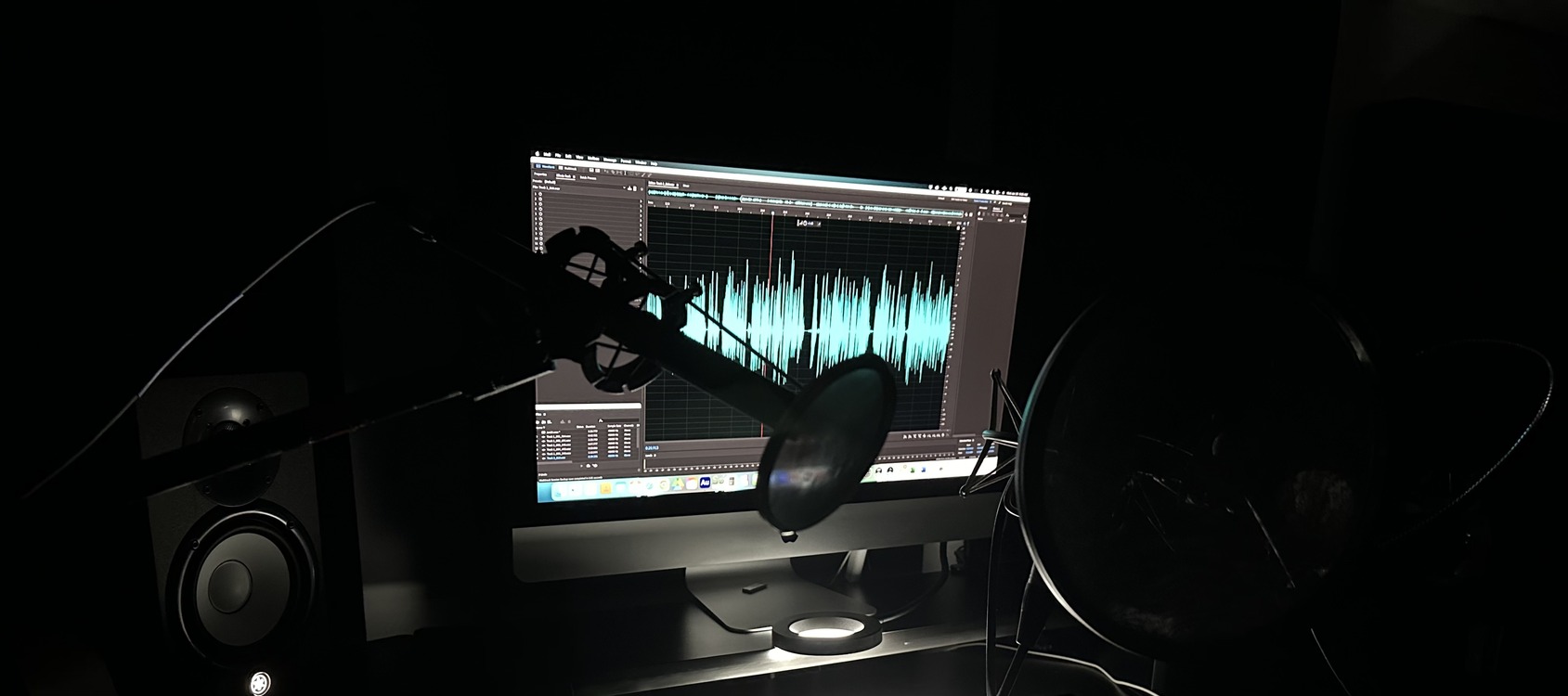
- Invest in a home studio. Most professional voice talents now record from home. A treated recording space, a quality condenser microphone, and audio software like Adobe Audition or Reaper are the baseline setup.
Pro Tip: Do not wait until your home studio is perfect to start auditioning. A quiet closet with a USB microphone produces acceptable quality for early auditions. Waiting for perfect conditions delays the real learning, which only comes from submitting work and getting feedback.
Key takeaways
Voice talent is a professional discipline that combines vocal craft and acting skill to serve clients across every media format that relies on sound to communicate.
| Point | Details |
|---|---|
| Core definition | Voice talent means skilled professionals hired to perform, narrate, or convey messages using only their voice. |
| Terminology distinction | Voiceover artist emphasizes vocal craft for scripts; voice actor emphasizes character and emotional performance. |
| Industry breadth | Voice talents work in advertising, audiobooks, video games, e-learning, navigation systems, and broadcasting. |
| Three-P framework | Pitch, pace, and projection are the core variables every voice talent must learn to control deliberately. |
| Career entry | Training, demo reels, consistent auditioning, and a home studio setup are the practical steps into the profession. |
Why the craft matters more than the label
The terminology debate around voice talent, voiceover artist, and voice actor is real, but I have watched it distract newcomers from what actually builds a career. After spending years working in and around the voice performance world, the pattern is clear. The professionals who book consistent work are not the ones with the most unusual voices or the most impressive equipment. They are the ones who show up with prepared reads, understand what the script is trying to accomplish, and can adjust their performance on direction without losing the emotional thread.
What I find underappreciated is how much the acting side of voice work gets dismissed by people who think a good voice is enough. Voice acting demands creating character through voice without relying on facial expressions or gestures. That is genuinely hard. It takes the same kind of emotional discipline that stage and screen acting requires, just applied to a microphone instead of a camera. The voice talents who treat their work as a performance craft rather than a vocal exercise are the ones clients call back.
The market in 2026 is also more open than it has ever been for newcomers with the right preparation. Remote recording has removed geographic barriers. A voice talent in Cincinnati can book a national commercial without leaving their home studio. That access is real, but it also means the competition is global. The answer is not to chase every niche or rebrand yourself constantly. The answer is to get very good at a few things and be consistent about showing up.
— kribi
Work with a professional voice talent for your next project

When a project needs a voice that sounds genuinely human rather than produced, the difference shows in the final result. Gregeschmeyervoice delivers a grounded, conversational performance style built for commercials, political messaging, documentaries, and broadcast work. Greg Eschmeyer’s clients consistently point to his quick turnaround, professional direction response, and ability to match the emotional tone a project needs without multiple rounds of revision. If you are a producer or advertiser looking for voice talent that connects with real audiences, explore professional voice acting services at Gregeschmeyervoice and see how authentic delivery changes the impact of your message.
FAQ
What is the definition of voice talent?
Voice talent refers to a professional who uses their voice to perform, narrate, or convey messages across media formats such as advertising, audiobooks, video games, and animation. The term covers both voiceover artists and voice actors under one broad professional category.
How is a voiceover artist different from a voice actor?
A voiceover artist focuses on vocal craft to serve a script, typically for narration, commercials, and corporate videos. A voice actor emphasizes character embodiment and emotional performance, most commonly in animation and video games.
What skills does a voice talent need?
Core skills include pitch, pace, and projection control, along with script analysis, breath control, emotional range, and microphone technique. Acting training is equally important because voice performance requires conveying emotion without any visual support.
How do you start a career in voice acting?
Start by developing vocal technique through coaching, studying acting, and practicing with real scripts daily. Build a professional demo reel, set up a home recording space, and audition consistently on platforms like Voices.com or Voice123.
Is voice talent work in demand in 2026?
Demand for voice talent remains strong across e-learning, video games, advertising, and audiobook production. Remote recording technology has expanded access for both clients and talent, making the market more competitive but also more accessible to newcomers with strong preparation.